



Dental Crowns in Dubai
 340+ reviews
 4.9 on Google
- Experienced Russian-speaking doctors
- 0% Installment Plan


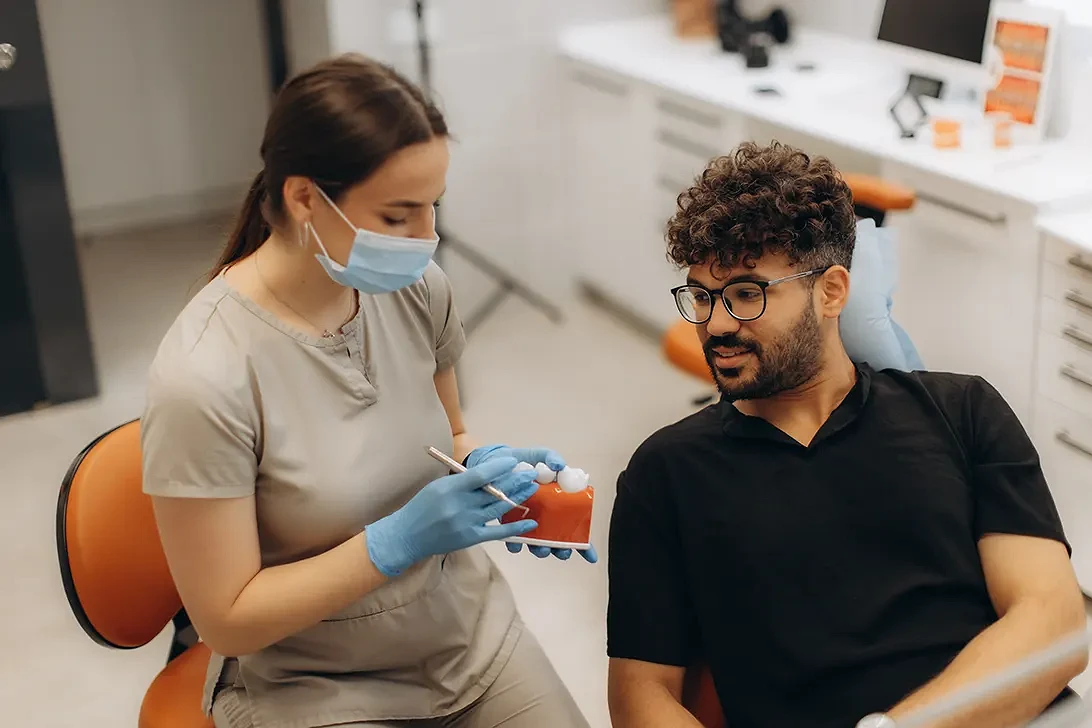
At Zenon Dental Clinic, we restore teeth with crowns focusing not just on aesthetics, but on functionality — ensuring the correct harmony of the entire masticatory system. Our goal is not simply to cover a damaged tooth with a crown, but to restore its natural shape, strength, and proper function within the dental row.
The core principle of our team is an interdisciplinary approach. Before placing a crown, we evaluate more than just the tooth itself; we assess how it interacts with the rest of your teeth: whether the jaws close correctly, and if there is any muscle tension or issues with the temporomandibular joint (TMJ). This approach allows us to create crowns that look natural, feel comfortable, and last for years.

Expert in aesthetic and functional restoration. He provides TMJ therapy when necessary and creates crowns tailored to your precise needs and anatomy.

If bite correction is required, treatment is overseen by Dr. Zhdanova — PhD, Diamond Apex Invisalign Provider with 22+ years of clinical experience.

Every specialist at Zenon Dental Clinic has 10–20 years of experience handling complex clinical cases.
What is a Dental Crown?
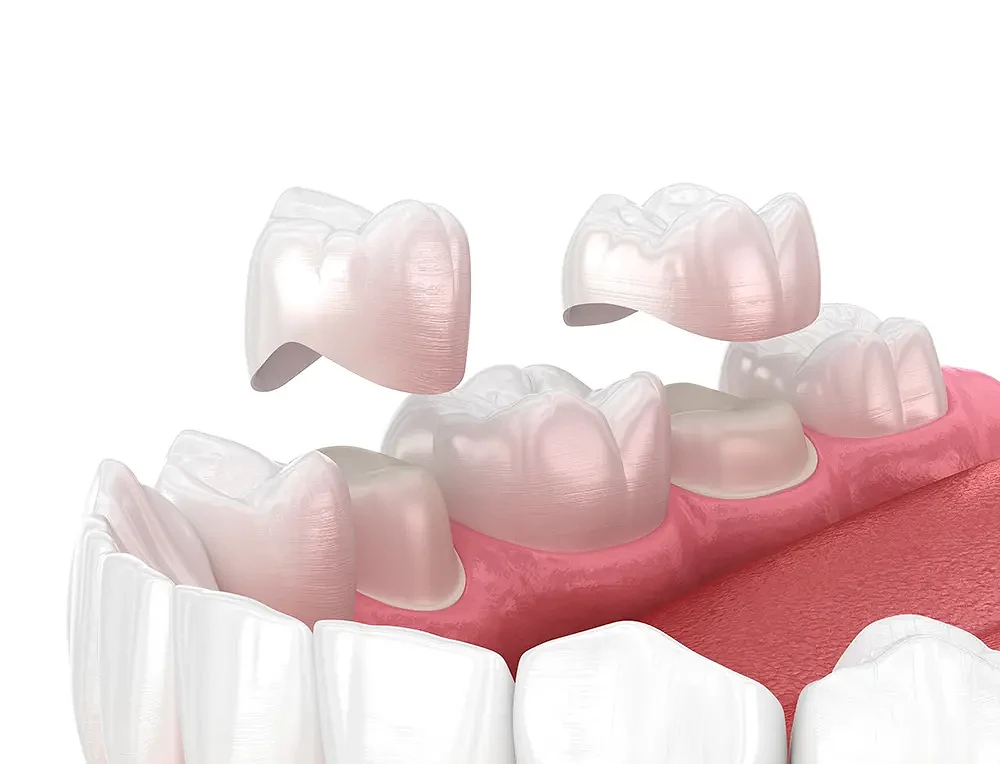
A dental crown is a custom-made orthopedic "cap" placed over a severely damaged tooth to restore its shape, height, strength, and appearance.
Typically, a crown is recommended when a tooth can no longer be reliably restored with a filling — for example, if it is significantly decayed, weakened after a root canal, has a large old filling, or presents cracks, chips, or severe wear (attrition).
In some cases, a crown can be made quickly. However, in more complex situations, we recommend detailed diagnostics and, if necessary, preliminary TMJ treatment. This preparation is often vital for patients with heavy tooth wear, bite misalignments, or multiple dental issues.
Pricing
Dental Crowns E-max — 3,500 AED
Dental Crowns Monolithic Zirconia — 3,500 AED
Dental Crowns Refractory ultrathin — 7,000 AED
Advantages of Dental Crowns
When a tooth is significantly compromised, a standard filling may not withstand chewing pressure. A crown "hugs" the tooth, restoring its structural integrity and stability.
Teeth often become brittle after root canals, large restorations, or fractures. A crown protects the tooth from further breakage and reduces the risk of recurrent damage.
A crown restores the correct shape, height, and role of the tooth in your bite. This ensures that chewing loads are distributed evenly, allowing the tooth to function comfortably alongside others.
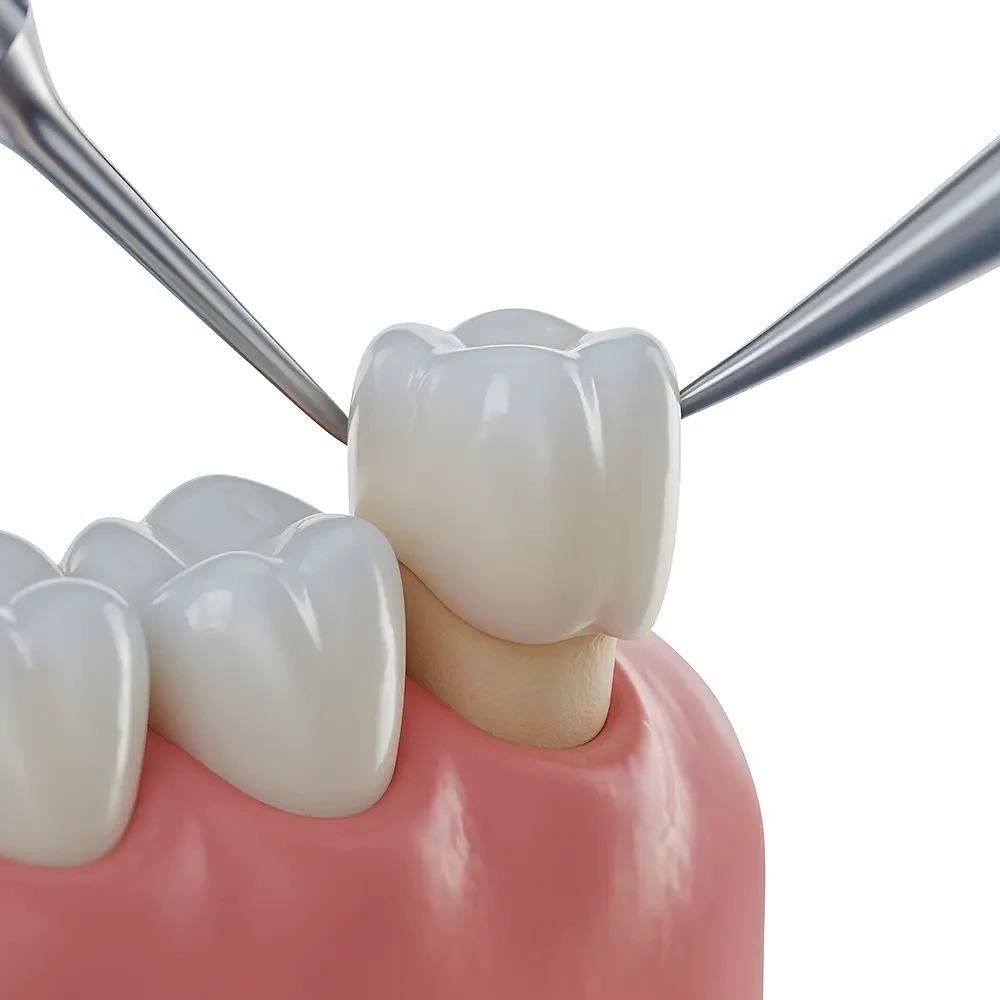
Modern crowns allow for precise matching of shade, shape, translucency, and micro-relief, ensuring the restored tooth looks natural and harmonious within your smile.
The lifespan of a crown depends on more than just the material. Accurate diagnostics, proper anatomical design, high-quality cementation, bite alignment, and home care are all essential. When these factors are aligned, the crown provides a long-lasting and predictable result.
Installing a crown requires preparation of the tooth. The amount of enamel removal depends on the specific clinical situation, the tooth's shape, and the thickness of the chosen material. It is important to note that a crown is not a "lifetime" restoration; over time, like any orthopedic work, it may eventually require replacement.
Pro Tip
Aligners expert, 20+ years of experience
A high-quality crown begins not with choosing the shade, but with understanding the environment in which it will function. If only one tooth needs restoration while the rest of the bite is stable and the patient has no complaints, treatment usually follows a straightforward path.
However, if there is significant tooth wear, clicking in the temporomandibular joint (TMJ), tension in the jaw muscles, or frequent chipping of previous restorations, it is vital to identify the cause of this overload first. At Zenon Dental Clinic, our philosophy is that the lifespan of a crown depends directly on the balanced and correct function of the entire masticatory system.»
Reviews
340+ reviews, 4.9 on Google Maps
See all our reviews

Our Approach
Function — The Foundation of Longevity
We do not view a crown in isolation from the rest of the masticatory system. Before prosthetics, the doctor evaluates not only the bite alignment but also the trajectory of the lower jaw, the function of the chewing muscles, the condition of the TMJ, and how the load is distributed during chewing. This approach is vital if you need to restore multiple teeth, have significant tooth wear, or have concerns about an unstable bite.
Aesthetics as an Extension of Function
A high-quality crown is more than just a matching shade. The tooth's shape, height, contacts with neighboring and opposing teeth, and how comfortably the patient can chew and close their jaws are equally important. When the function is correctly planned, the aesthetics look natural and feel effortless.
When is a Mock-up Needed?
In complex orthopedic cases, we may use a "mock-up" — a preliminary trial of the future tooth shape. This helps to evaluate the appearance and comfort in advance and ensures the new shape is a perfect fit for the patient. However, if we are restoring a single crown and the jaw system is stable, this stage is unnecessary. The scope of preparation always depends on the specific case.
Interdisciplinary Approach
If you need dental treatment, gum preparation, bite correction, or joint stabilization before a crown can be placed, it can all be done within our clinic. The patient is guided by a team of specialists rather than a single doctor looking only at one tooth. This approach minimizes the risk of placing a crown under excessive stress, which could lead to unstable results.


Book a Consultation
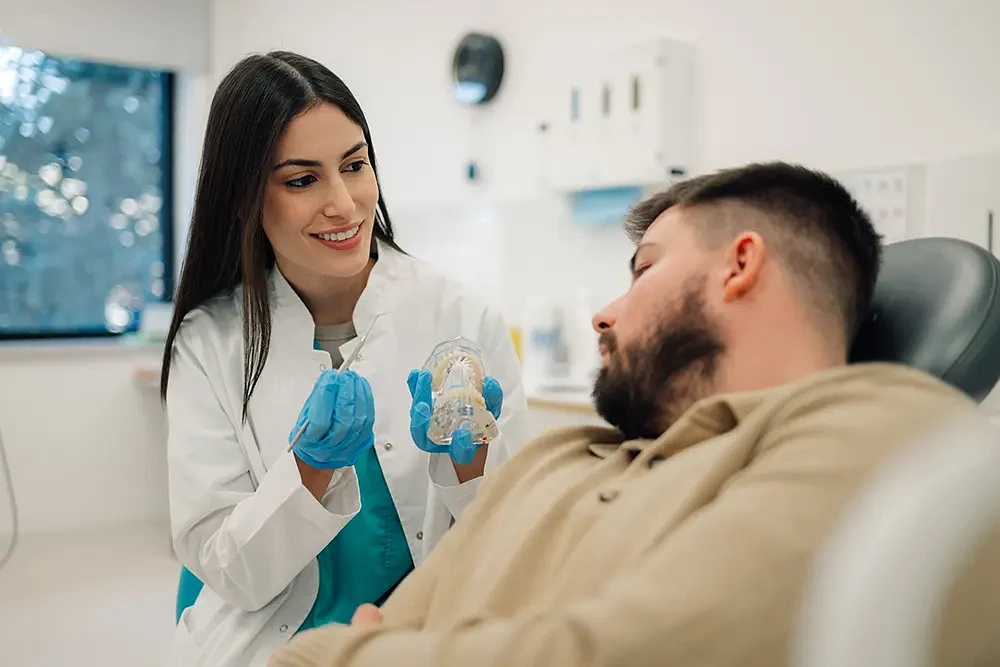
Consultations are conducted by doctors with 10–20 years of experience. Comprehensive diagnostics, including CBCT, and a personalized treatment plan — all in one visit.
 Meet Our Doctors
We will match you with the right specialist: orthodontist, general dentist, or surgeon.
 +971 4 286 7747
Write to us on WhatsApp or call us
within 15 minutes
 Complex cases are handled by Dr. Nana, an Invisalign speaker in Dubai
get the rest free.
Your First Consultation: What to Expect
The initial consultation begins with a clinical analysis. The doctor evaluates the extent of tooth damage, whether the tooth can be saved, the condition of the surrounding tissues, and how the tooth participates in the bite.
Depending on your situation, the consultation may include:
Allows us to assess the root condition, bone tissue, and quality of previous treatments, revealing hidden issues invisible to the naked eye.
Used for precise analysis of tooth shape, bite, and contacts for further digital planning of the crown.
If there is severe tooth wear, TMJ clicking, muscle tension, or if extensive prosthetics are planned, the doctor may recommend advanced diagnostics. This helps us understand how the lower jaw moves and ensures the future restoration functions in a stress-free environment.
Treatment Stages
The number of visits depends on the clinical situation. A single crown in a stable bite is faster than complex rehabilitation for tooth wear or TMJ issues.
Examination, CBCT, digital scanning, and photo protocol. Advanced functional diagnostics are assigned for complex cases.
The doctor determines if we can proceed immediately or if preliminary work is needed (e.g., root canal retreatment, gum therapy, or bite correction).
The crown shape is planned according to the bite, anatomy, and smile aesthetics. For complex work, computer modeling and a mock-up are performed.
The doctor carefully prepares the tooth to create space for the crown. A digital impression is then taken to manufacture the permanent restoration.
The crown is custom-made in a dental laboratory. In some cases, 1–2 crowns can be made in a single visit using CEREC technology — a digital milling system that creates ceramic crowns right in the clinic.
The doctor checks the fit, seal, contacts, and aesthetics. Once all parameters meet the plan, the crown is permanently fixed.
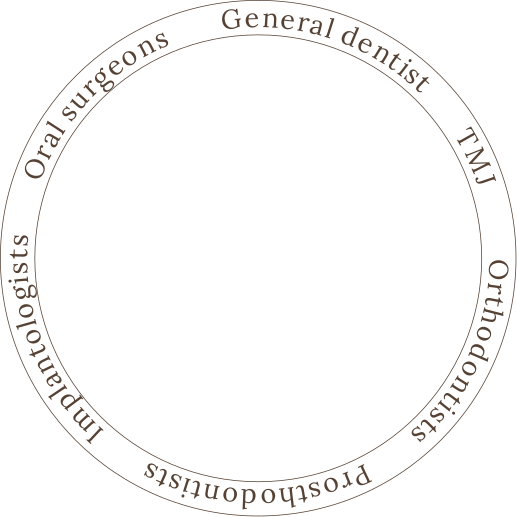
Interdisciplinary Approach
The Choice of Those Who Expect the Highest Standards
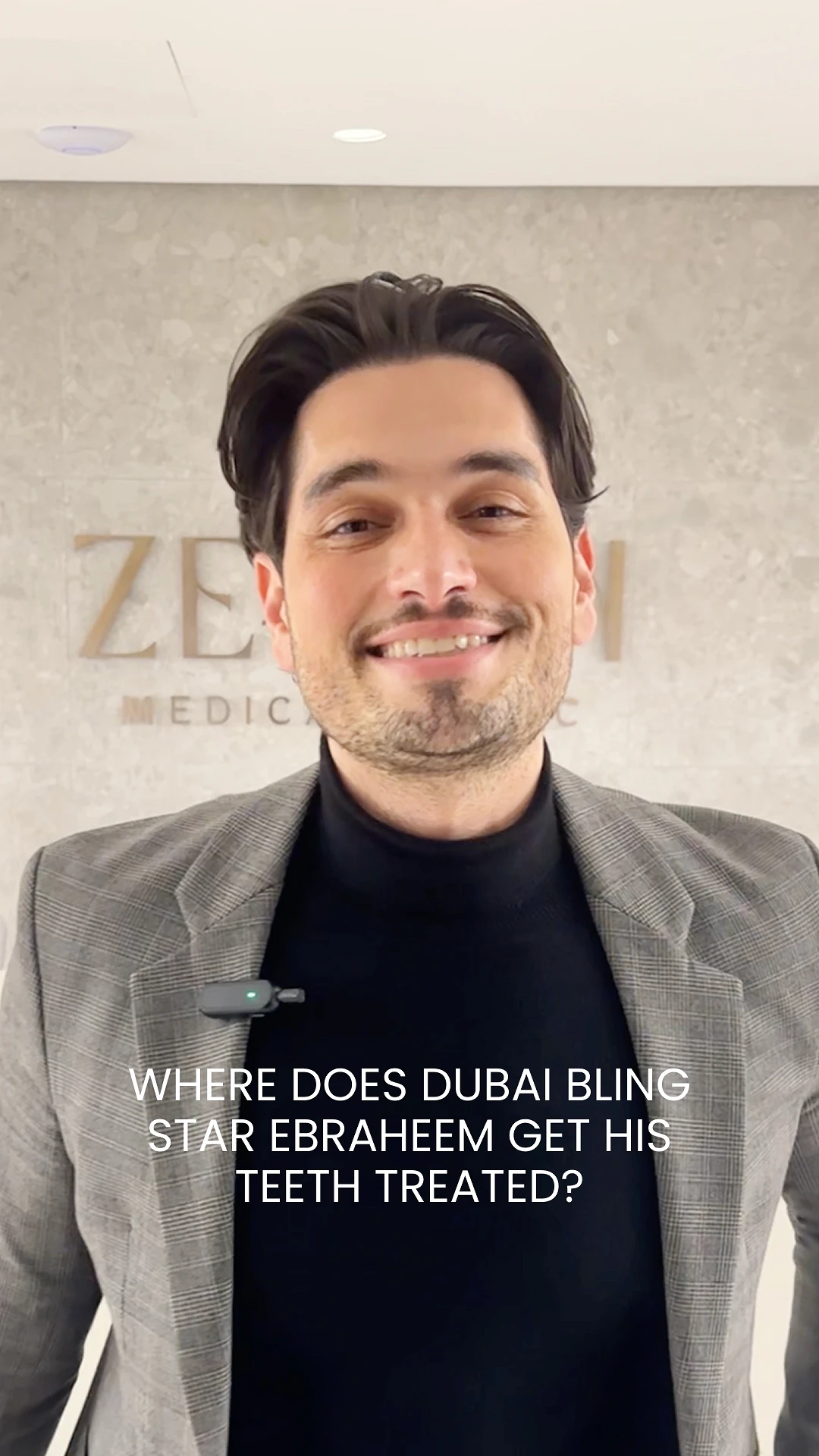
Our patients include public figures and international experts who value impeccable quality, absolute confidentiality, and a premium level of service.

Reviews
Dental Crowns by International Standards
A modern approach starts with diagnosing the entire masticatory system, not just preparing the tooth. We aim to understand why the tooth failed and evaluate its functional environment: how the teeth meet, whether there is muscle or TMJ overload, and the health of the root and gums.
There is no single "best material." The choice depends on the tooth's location, the chewing load, aesthetic requirements, and the amount of healthy tissue remaining. We balance natural appearance for front teeth with high durability for molars.
A quality crown is defined by its marginal fit, contact points with neighboring teeth, and its role in your bite. These details dictate your long-term comfort and the lifespan of the restoration.
Indications and Contraindications
- Significant tooth decay or damage.
- Large fillings that have weakened the tooth walls.
- Restoration after root canal treatment.
- Cracks, chips, or severe wear (attrition).
- The need to restore tooth shape, height, and function.
- Replacement of old, non-sealed, or unaesthetic crowns.
Preliminary treatment may be required if the following are present:
- Active caries or gum inflammation.
- Bruxism or bite misalignments.
- Overload of specific teeth or TMJ dysfunction.
- Inflammatory processes at the root tip.
If a tooth cannot be reliably saved or restored, a crown is not advisable. In such cases, your doctor will discuss extraction followed by a dental implant and an implant-supported crown.

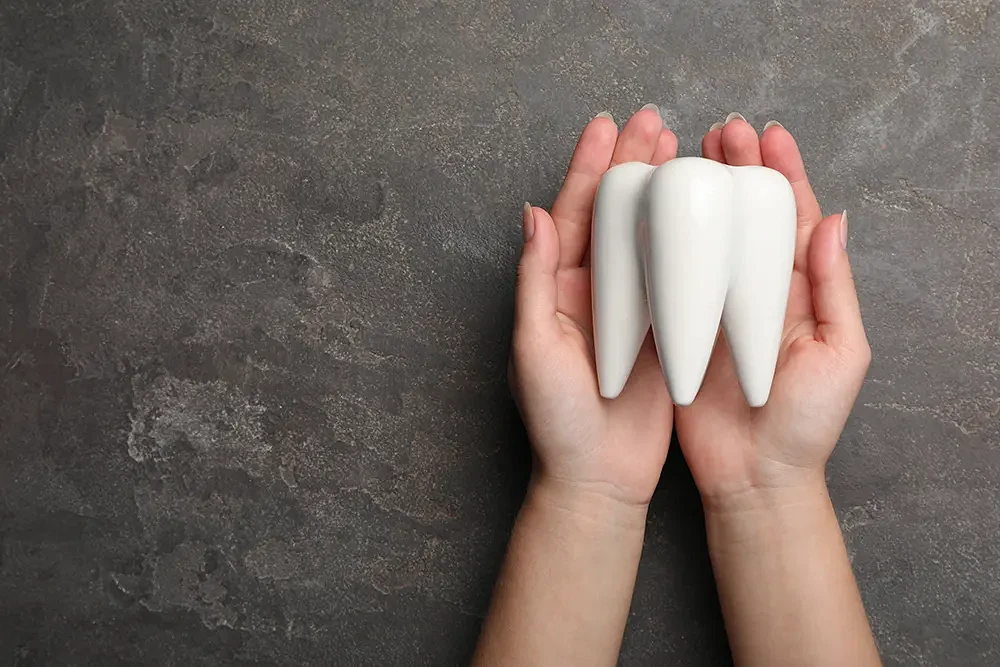
Maintenance and Care
A crown requires the same meticulous care as your natural teeth. Brush twice daily, use dental floss or interdental brushes, and maintain regular professional cleanings.
Pay special attention to the gumline where plaque can accumulate. Even the highest-quality crown requires monitoring: the health of the gums and the precision of the fit directly affect its longevity. We also recommend avoiding excessive habits, such as biting into extremely hard objects. If you have bruxism, a night guard may be recommended to protect your investment.
Q&A
Is a mock-up necessary for a single crown?
Which is better: E.max or Zirconia?
Can I get a crown quickly?
What if I have TMJ clicking, tooth wear, or frequent chips?
Zenon Dental Clinic on the Map
We are always happy to welcome you!
247 Jumeirah St – Jumeirah – Jumeirah 2 – Dubai

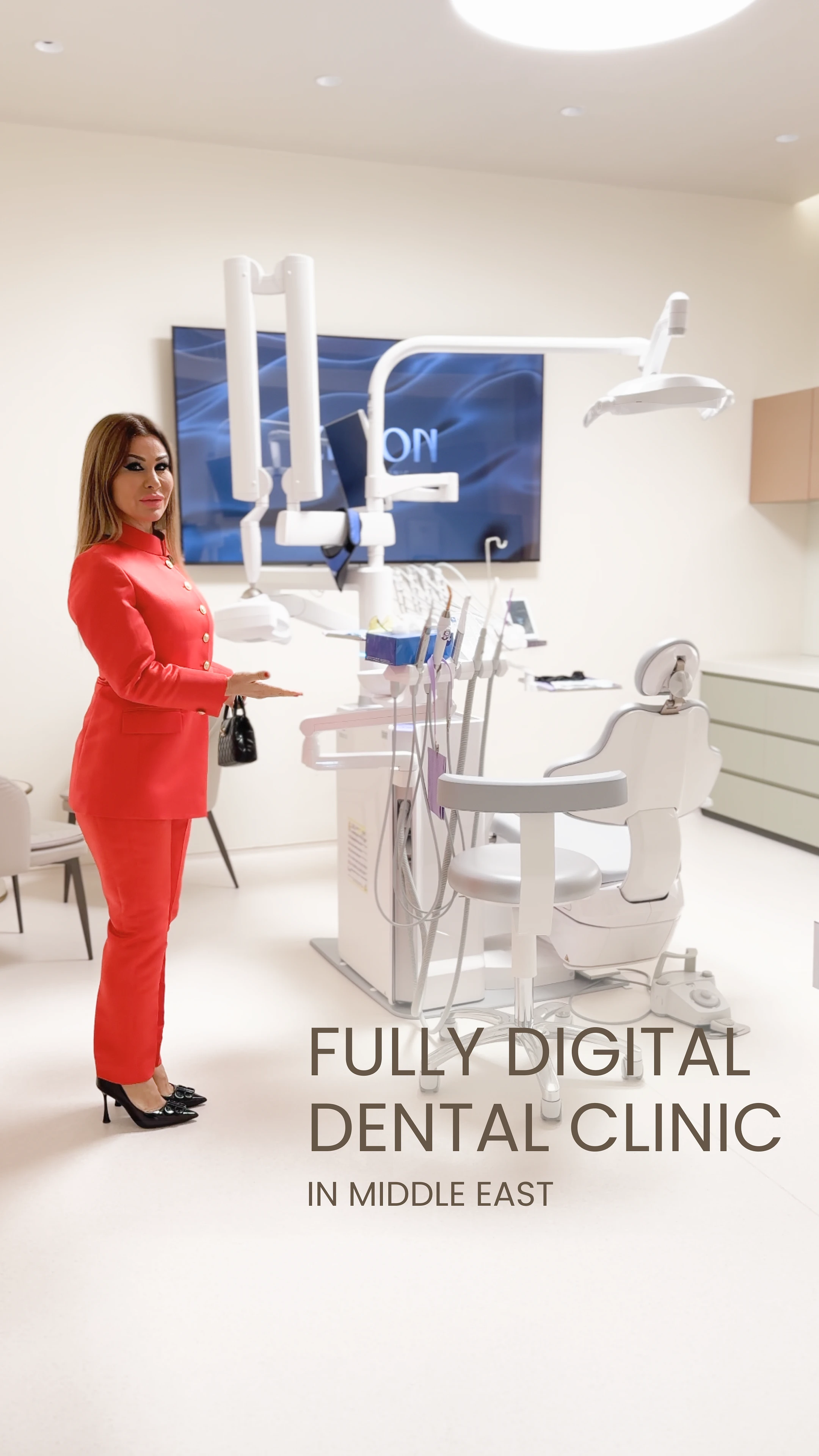
A calm, welcoming space where every detail is thoughtfully designed
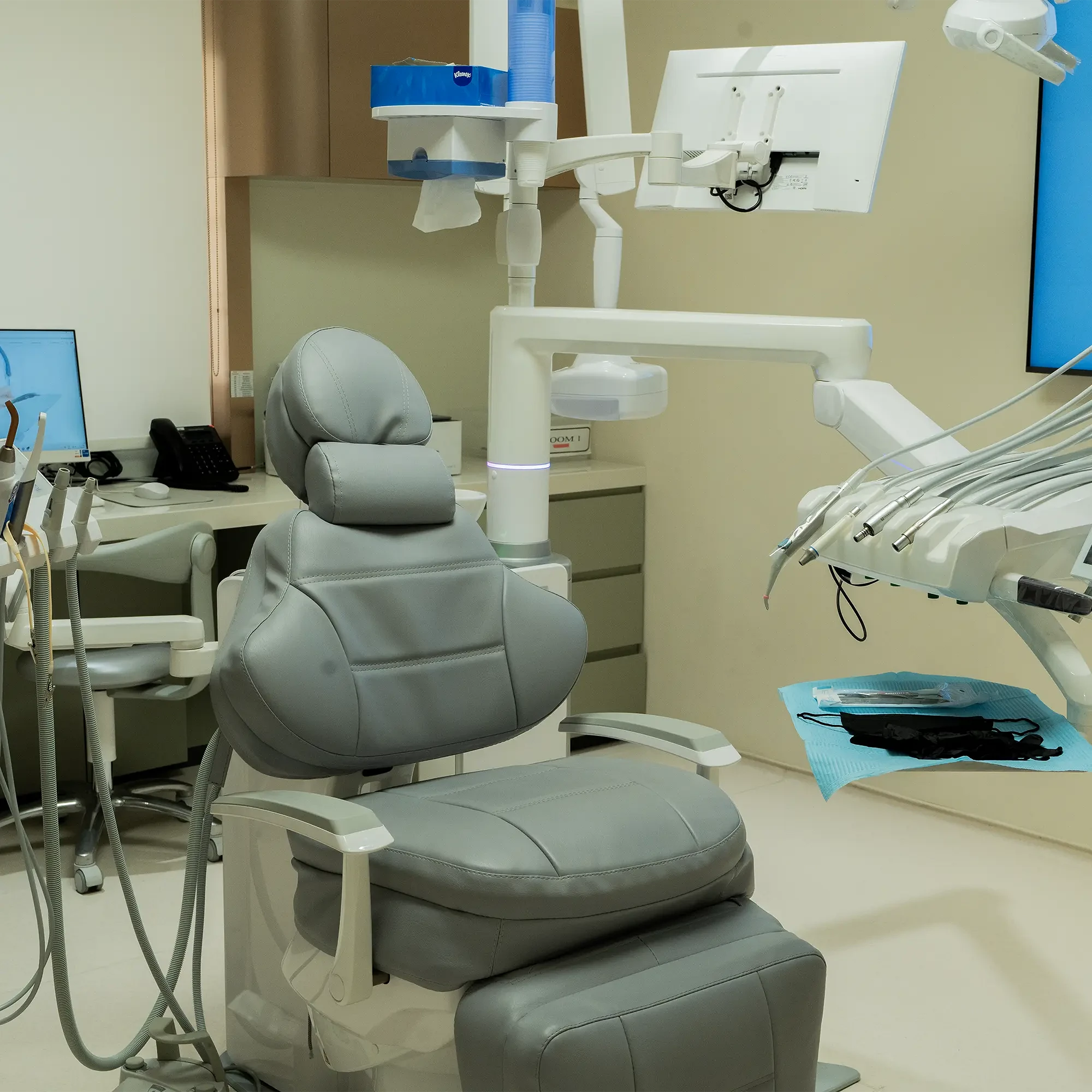
Equipped with the latest digital diagnostic and treatment technology