



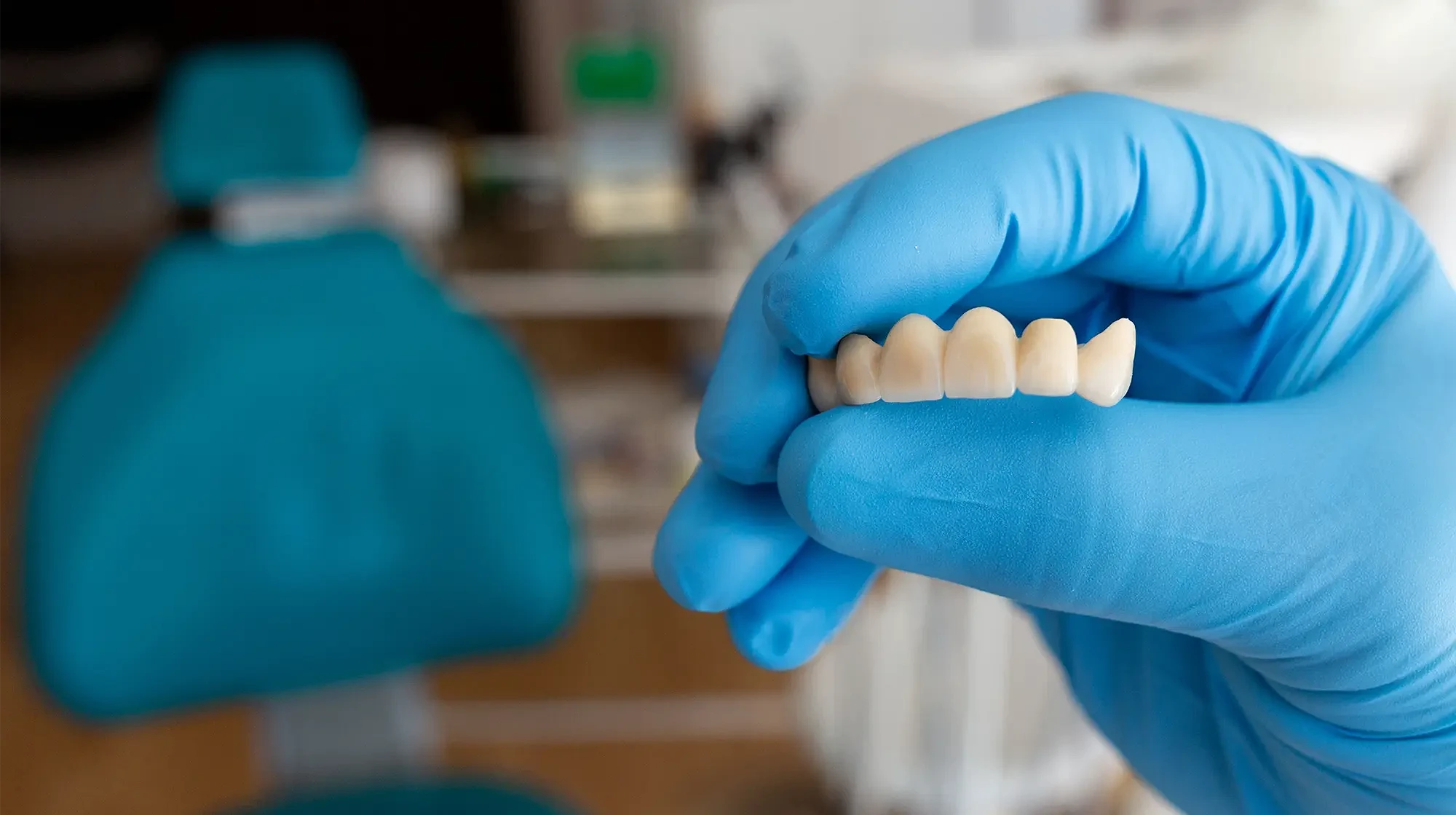
Dental Bridges
 340+ reviews
 4.9 on Google
- Experienced, Russian-speaking Doctors
- Fixed Service Costs
- 0% Installment Plan


At Zenon Dental Clinic, we install dental bridges with a focus on function. Our goal is not just to restore aesthetics and chewing ability, but to ensure proper function of the entire maxillofacial system: chewing muscles, TMJ (temporomandibular joint), and bite.
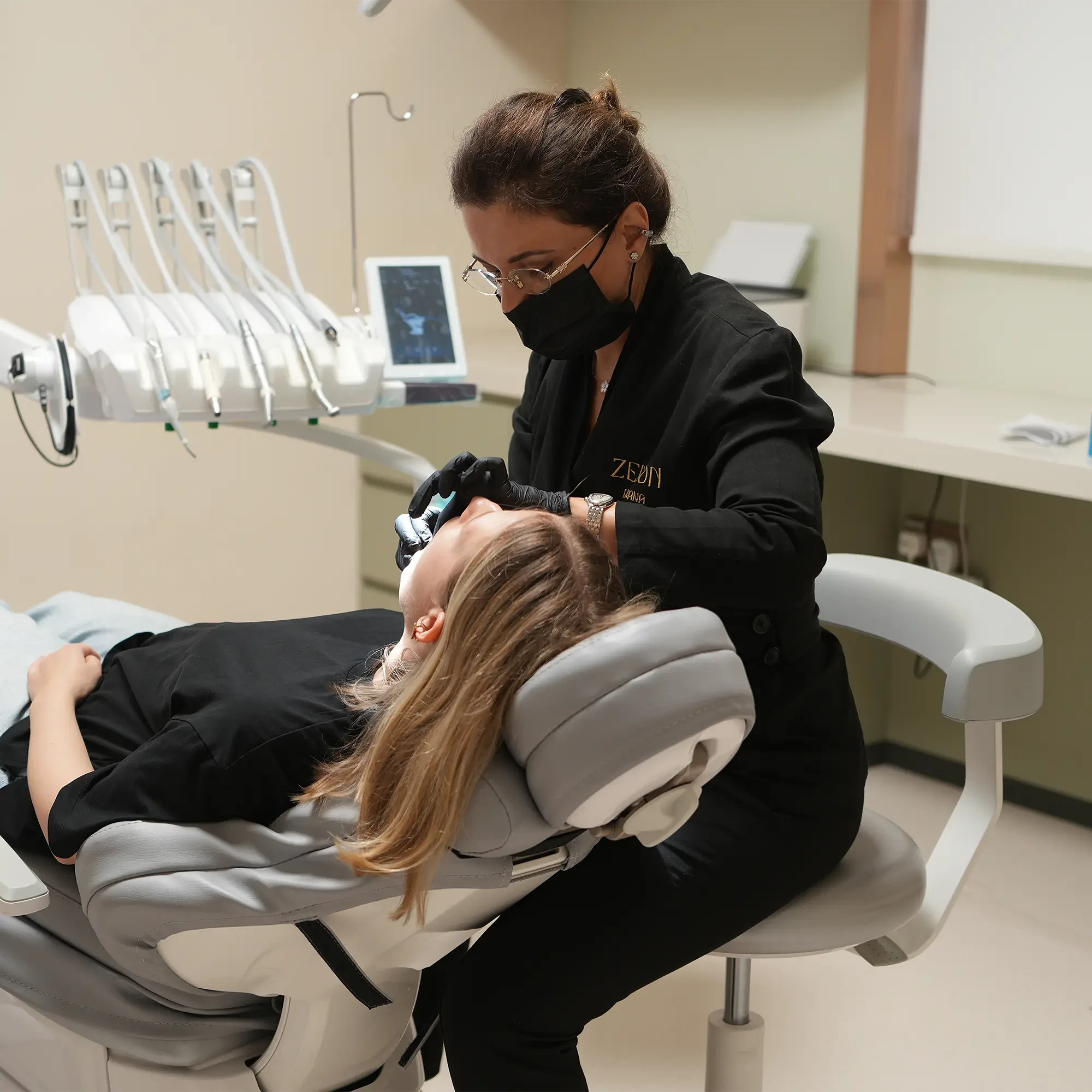
Our clinic features specialists from various fields: orthopedic-gnathologists, orthodontists, surgeons, implantologists, and general practitioners. For every clinical case, a medical board is convened to ensure a comprehensive approach to patient treatment. This allows us to address all identified dental issues in one place, under a single, unified treatment plan.

Specialist in functional dental prosthetics. He conducts diagnostics of the maxillofacial system and, if necessary, provides treatment for TMJ disorders.

Diamond Apex Invisalign Provider, PhD. We involve an orthodontist if preliminary bite correction is needed.

Each doctor has 10–20 years of clinical experience and manages complex cases according to the unified treatment standards at Zenon Dental Clinic.
What is a Dental Bridge?
A dental bridge is a non-removable structure consisting of several connected crowns. Depending on the clinical situation, it can be fixed to your own teeth or supported by implants.
At Zenon Dental Clinic, dental bridges are manufactured with functionality in mind. It is important to us that your smile looks natural, that chewing is comfortable, that the supporting teeth are not overloaded, and that the structure itself integrates harmoniously with your bite and surrounding teeth.
That is why at Zenon Dental Clinic, the creation of a dental bridge begins not with the choice of material, but with precise functional diagnostics and digital planning. We pre-plan the shape, height, and contacts of the future teeth, as these factors directly determine both the aesthetics and the longevity of the restoration.
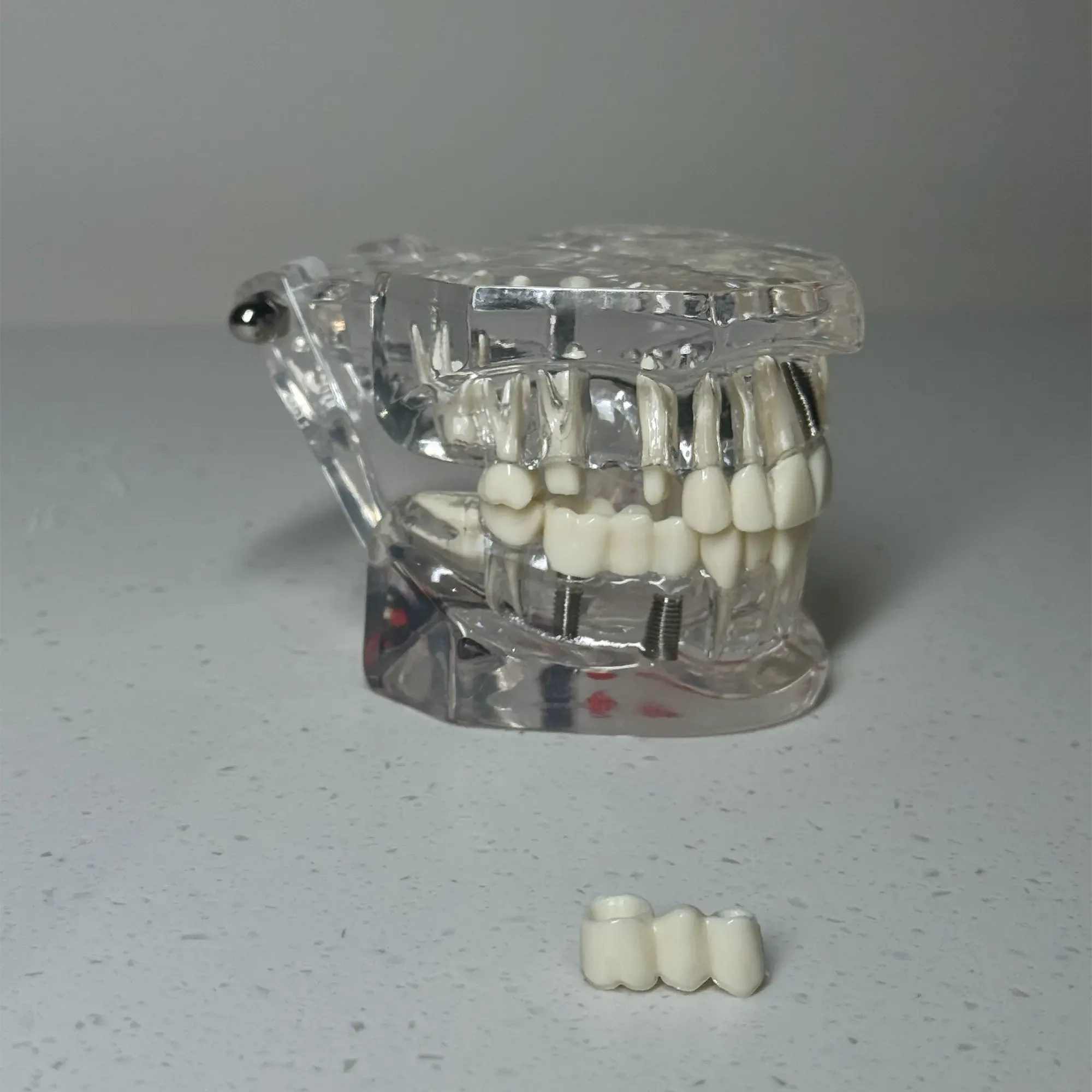
Dental Bridge Pricing
Dental Bridge 3-unit Zirconia – 10,500 AED
Portfolio / Case Studies
Diagnosis: Female, 28 years old. Severe crowding, teeth overlapping, misaligned bite and asymmetrical smile.
Treatment: Self-ligating Damon Q braces were used. Correction was completed without extractions or additional anchorage — using only archwires and elastics. Within 18 months, the teeth were aligned and a symmetrical, harmonious smile was achieved with a high level of comfort.
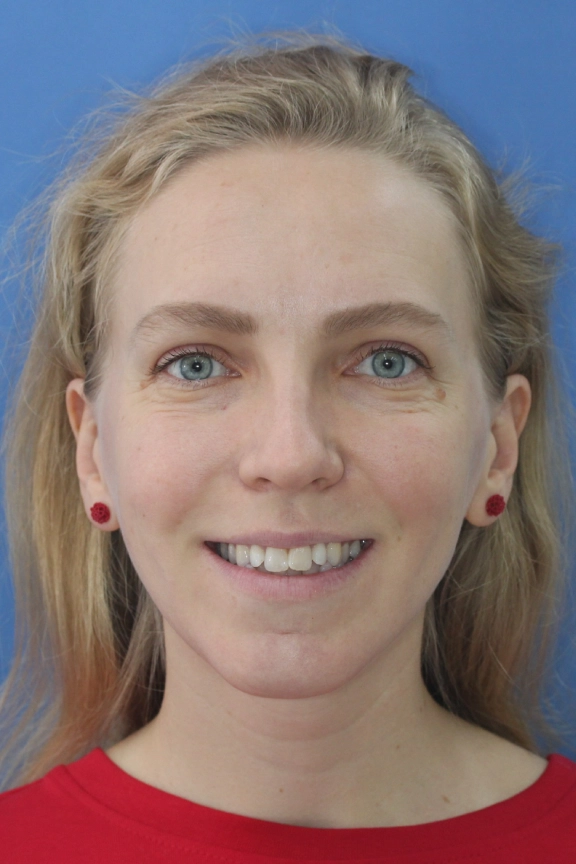
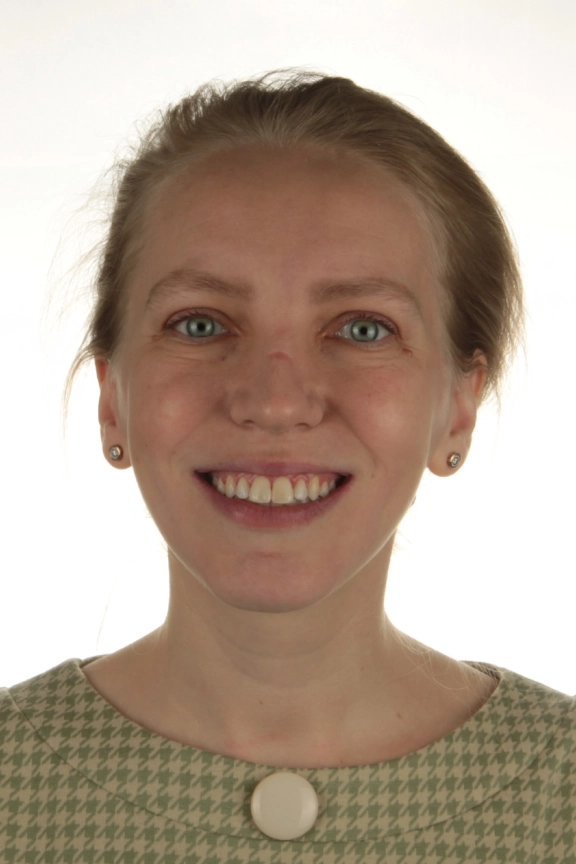
Diagnosis: Missing first molars (6th teeth), posterior gaps / edentulous spaces.
Treatment: Orthodontic treatment with braces + mini-screws (TADs). The 7th teeth were moved into the position of the missing 6th teeth, resulting in a stable and functional bite.
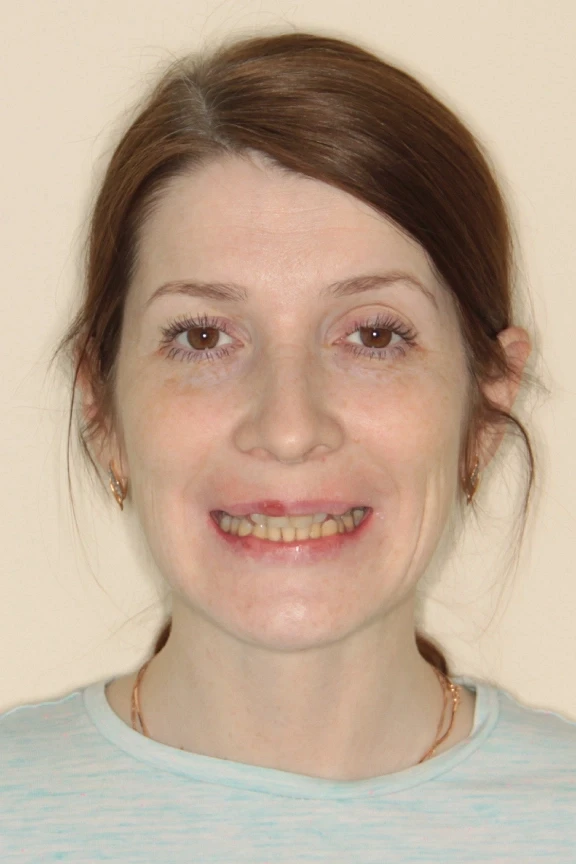
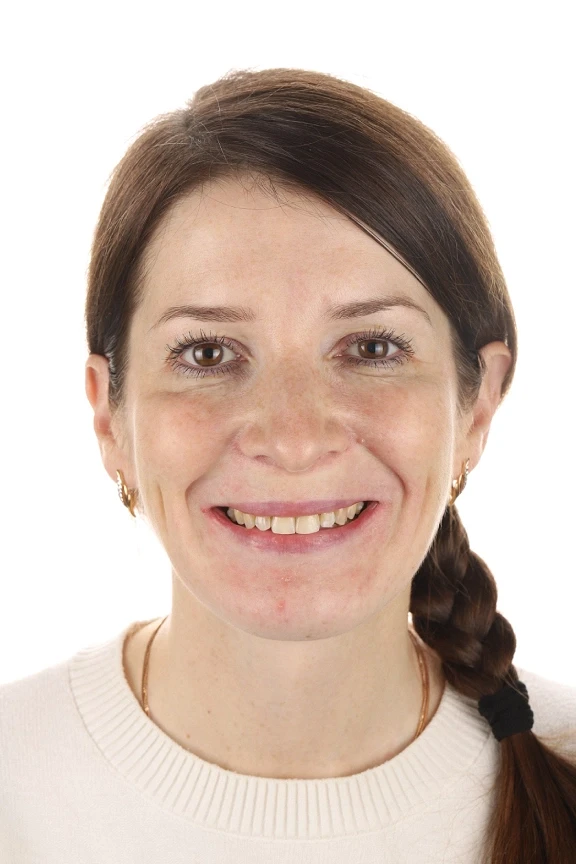
Diagnosis: Class II malocclusion, crowding; missing tooth and lack of space for prosthetic restoration.
Treatment: Invisalign aligner treatment. Pre-prosthetic preparation was performed: space was created for a crown and the midline was corrected using a mini-screw (TAD). Bite and aesthetics were improved, followed by crown placement to replace the missing tooth.
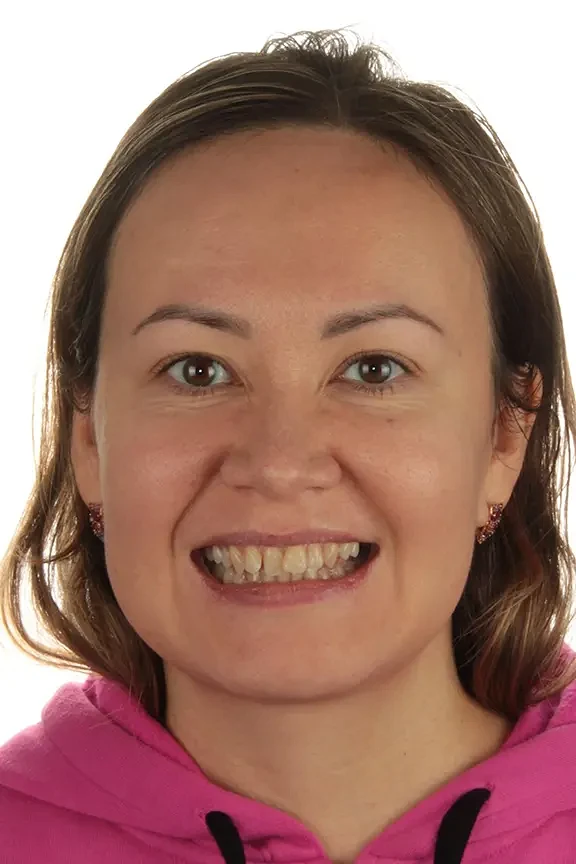
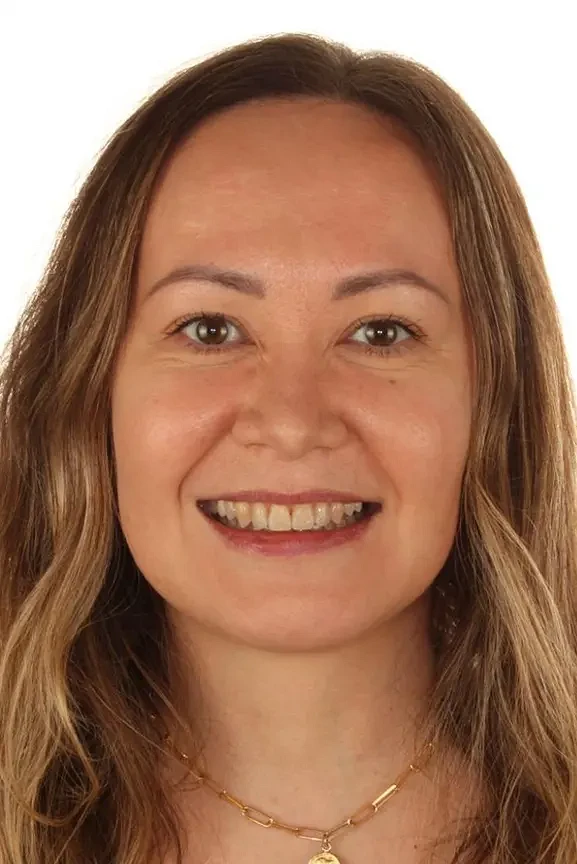
Diagnosis: crowding
Treatment: correction with aligners using a comprehensive approach.
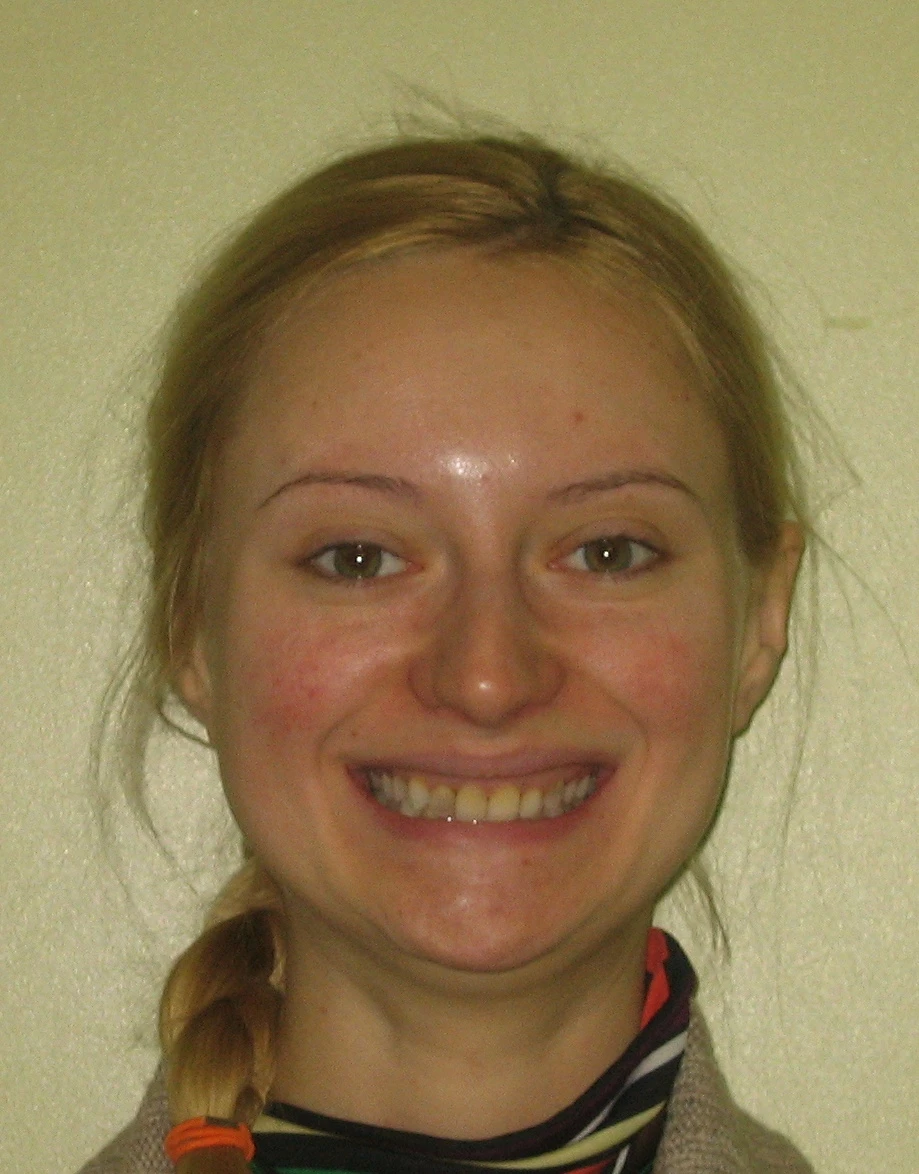
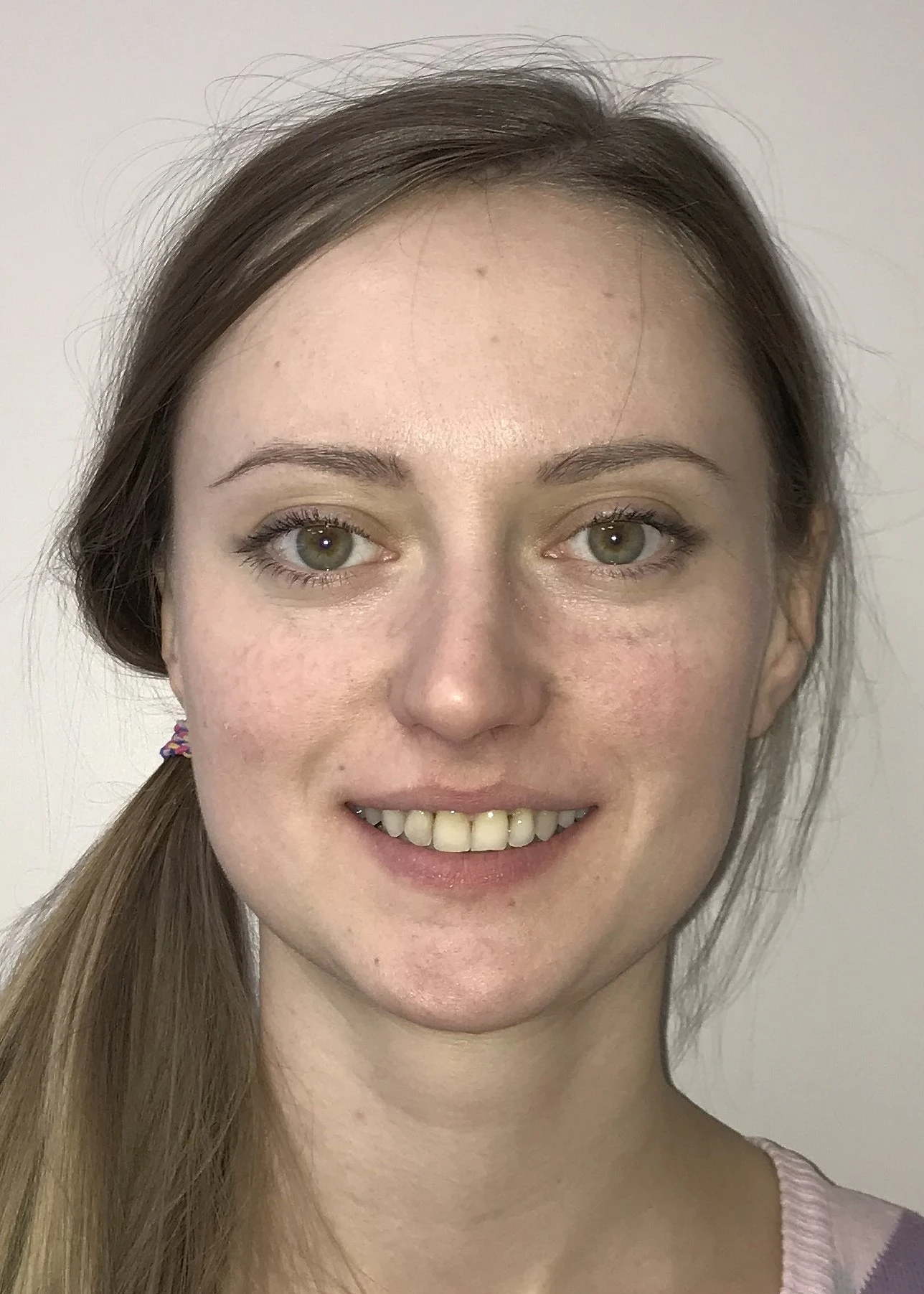
Diagnosis: overjet (protrusion of the upper teeth)
Treatment: correction with Invisalign aligners + consultation with a gnathologist.

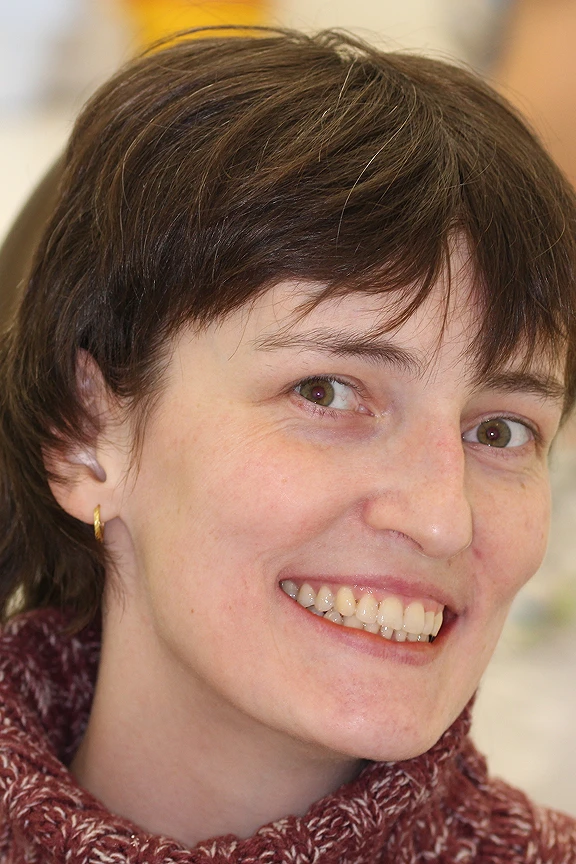
Advantages of Dental Bridges
A dental bridge helps restore the integrity of the dentition when one or several consecutive teeth are missing (typically, two crowns are placed on adjacent teeth, while one replaces the gap). This is essential not only for appearance but also for self-confidence—especially if the gap is visible during speech or smiling.
After tooth loss, the chewing load is distributed incorrectly. A bridge helps restore natural comfort while eating and reduces the strain on neighboring teeth.
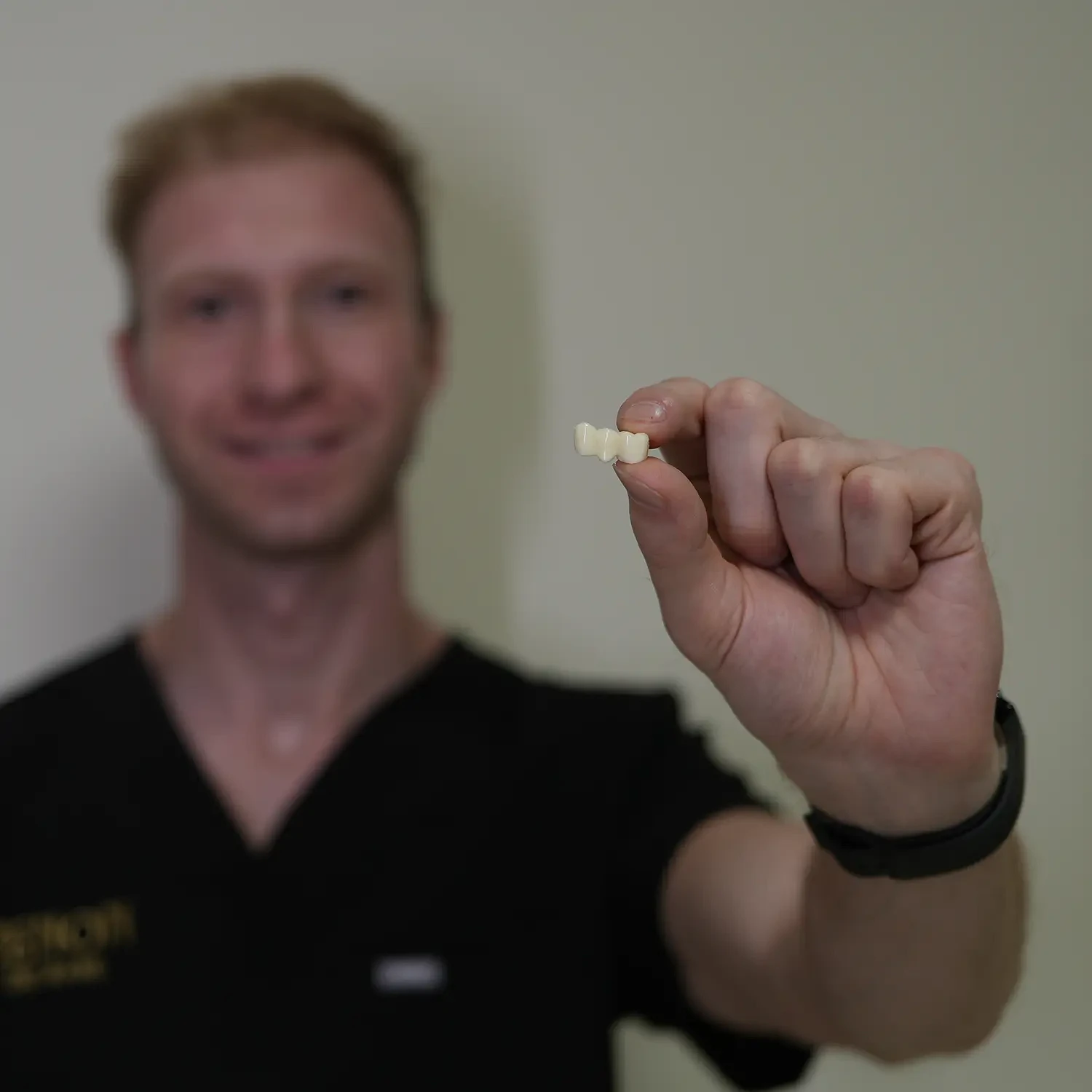
Unlike removable dentures, a dental bridge is fixed onto your own teeth or implants. There is no need to remove it, adjust to movement, or change your lifestyle.
Modern bridge constructions allow for a meticulous restoration of the dental row’s appearance. With the correct selection of shape and shade, the bridge blends seamlessly with adjacent teeth.
If a bridge is fixed to your own supporting teeth, a small amount of enamel must be shaved down — this process is irreversible, as enamel cannot be regenerated.
Expert Advice
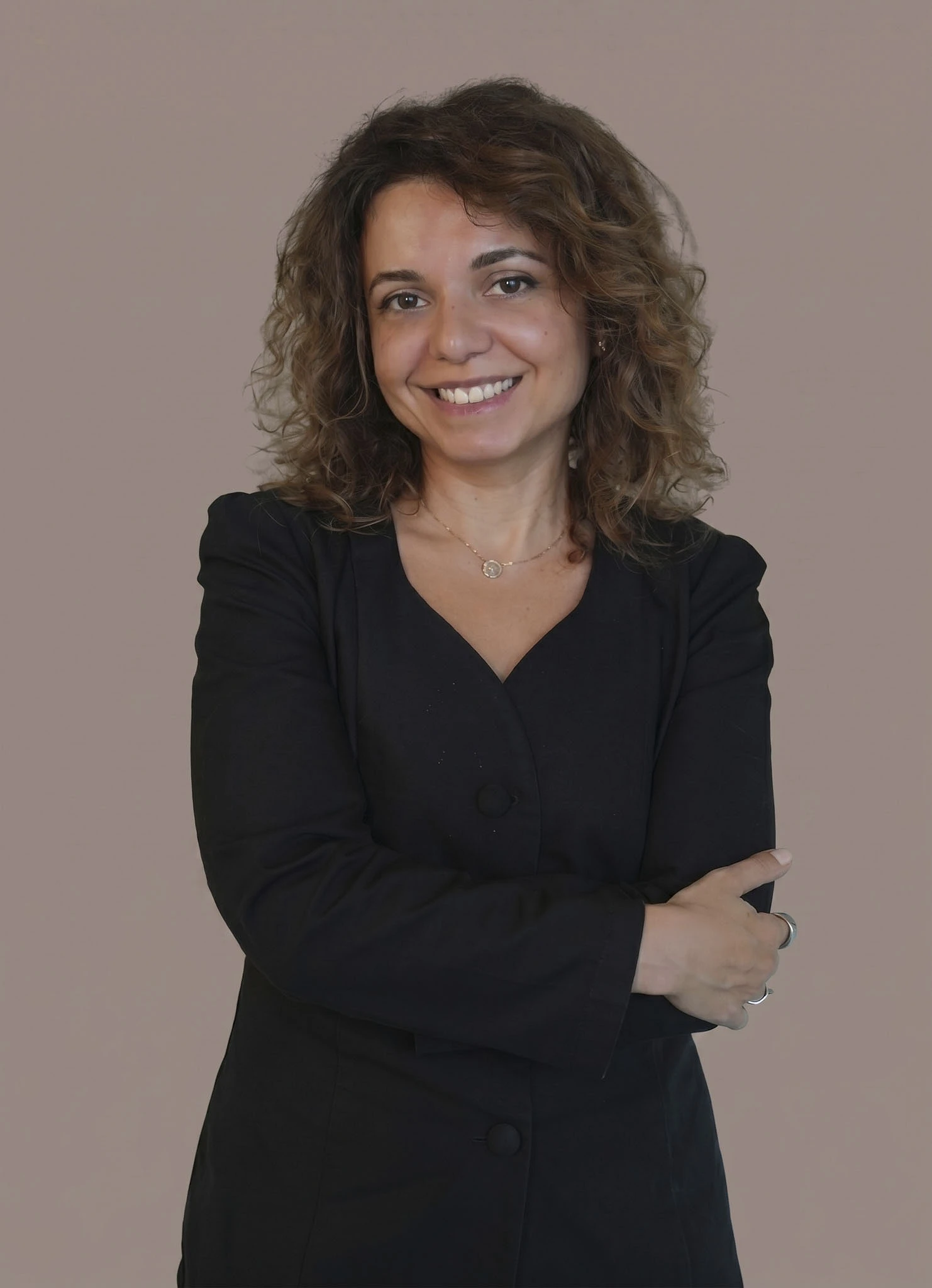
Orthodontist with over 22 years of experience
Our Reviews
340+ reviews, 4.9 on Google Maps
See all our reviews22 Apr 2025

30 Mar 2025
29 Jun 2025
23 Jul 2025
12 Aug 2025
20 Jan 2026
10 Dec 2025
28 Feb 2026
Our Approach
At Zenon Dental Clinic, we view a dental bridge not as an isolated structure, but as a component of the entire maxillofacial system. Therefore, before starting treatment, it is vital to understand not just how to close the gap, but how the future bridge will function within the bite. To achieve this, we conduct functional diagnostics, assessing the condition of the teeth, the position of the lower jaw, and the operation of the chewing muscles and TMJ. This approach helps us plan treatment precisely and avoid unnecessary interventions.
Function is the Foundation
Before manufacturing a bridge, we evaluate how the teeth meet, how the load is distributed, and whether there are signs of overload: wear, muscle tension, or clicking in the temporomandibular joint. If such issues exist, we address the root cause before proceeding with the bridge. Function determines how comfortable, stable, and long-lasting the bridge will be.
Aesthetics as an Extension of Function
Only after ensuring the bridge will work harmoniously with the entire system do we focus on aesthetics. We carefully plan the shape, proportions, volume, and shade so the bridge looks and feels like your natural teeth. In the Zenon Dental Clinic philosophy, aesthetics do not exist separately from function; we create smiles that are both beautiful and healthy.


Book a Consultation
Consultations are conducted by doctors with 10–20 years of experience. Comprehensive diagnostics, including CBCT, and a personalized treatment plan — all in one visit.
 Meet Our Doctors
We will match you with the right specialist: orthodontist, general dentist, or surgeon.
 +971 4 286 7747
Write to us on WhatsApp or call us
within 15 minutes
 Complex cases are handled by Dr. Nana, an Invisalign speaker in Dubai
get the rest free.
Your First Consultation
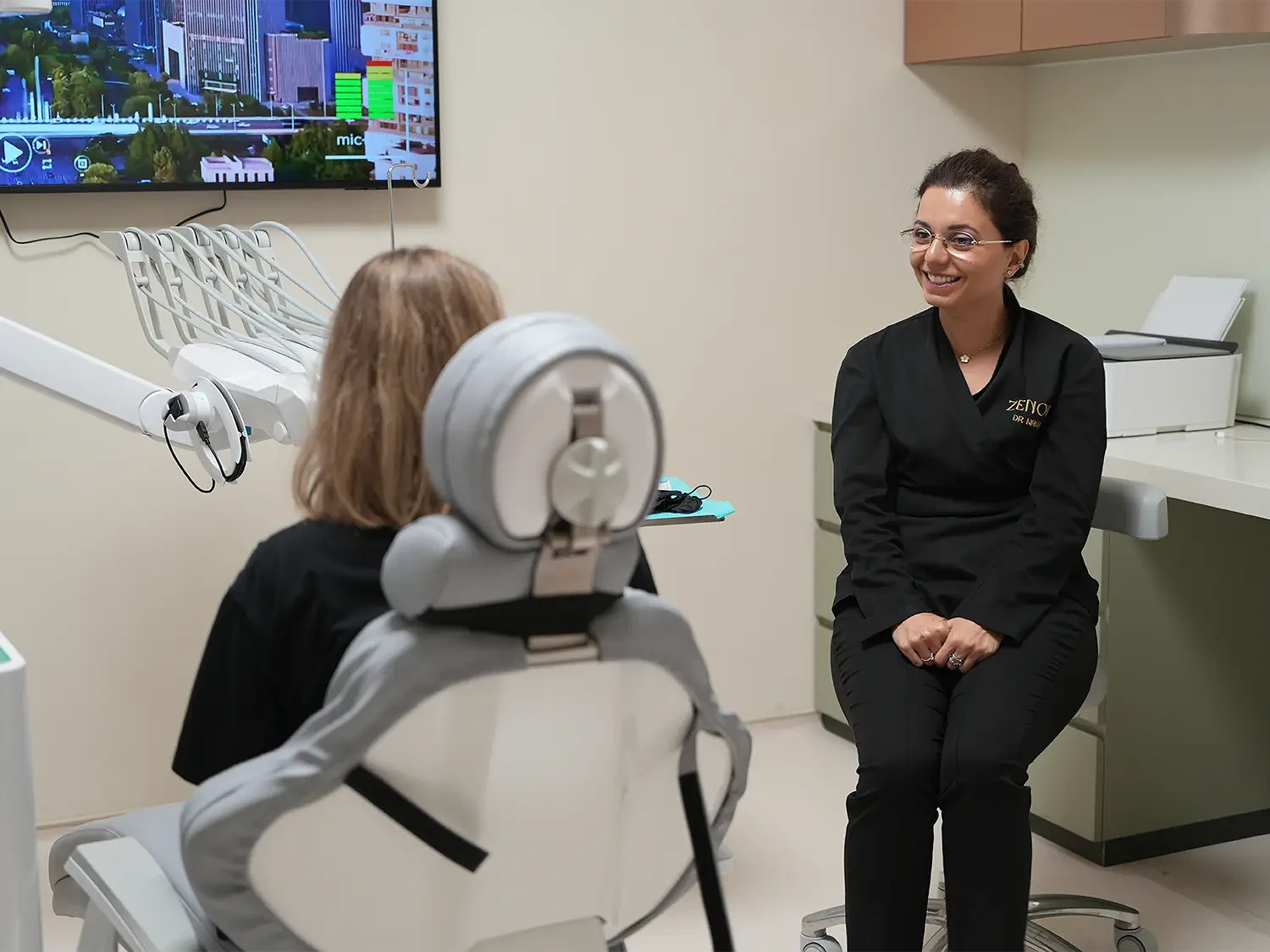
The initial consultation lasts about 1 hour and includes comprehensive functional diagnostics. The orthopedic-gnathologist will assess the clinical picture: tooth condition, occlusion, jaw position, and joint function.
Using CBCT, the doctor assesses bone tissue, tooth roots, and the TMJ. This reveals hidden factors such as tooth overload or the health of supporting structures. We use a high-precision CBCT scanner — one of only two of its level in the UAE (the other being at the University of Sharjah) — which provides detailed images of the skull and cervical spine with minimal radiation exposure.
We perform digital intraoral scanning to create an accurate 3D model of your teeth. This is used for detailed planning of the bridge’s shape, precise fit, and minimally invasive preparation of supporting teeth.
Next Steps: After 1–1.5 weeks, the doctor meets with the patient to present treatment options. Once a plan is chosen, the subsequent clinical stages are scheduled.
Stages of Dental Bridge Installation
The number of clinic visits depends on the specific clinical situation. If the case is straightforward, the process will be shorter. If preliminary orthodontic treatment, other dental procedures, or implant placement are required to support the bridge, additional stages may be necessary.
CBCT imaging, scanning, and a photo protocol. If necessary, functional diagnostics are performed. The doctor evaluates not just the missing tooth, but how the future restoration will function within the entire system.
After analyzing the data, the doctor explains the available restoration options, how they differ, and which path is optimal in terms of function, aesthetics, and long-term reliability.
In complex cases, we provide a “test drive” of the future tooth shape or prepare a temporary solution in advance. This makes the treatment more predictable and comfortable for the patient.
If the bridge is fixed to your own teeth, the doctor carefully prepares the supports and takes a digital impression. If the bridge is implant-supported, the orthopedic stage begins once the surgical foundation has been completed.
The finished bridge is tried in and checked for aesthetics, precision of fit, and comfort within the bite. If everything is perfect, the restoration is securely fixed in place.
Reviews
Interdisciplinary Approach
At Zenon Dental Clinic, dental bridges are never placed in isolation from the overall clinical picture. If you require cavity treatment, root canal retreatment, tooth extraction, implantation, gum work, bite correction, or help with TMJ dysfunction prior to prosthetics, all of these can be addressed in-house.
This approach saves you time and, more importantly, ensures that all doctors work according to a single unified plan. Instead of individual specialists solving isolated tasks, a team works together to guide the patient toward a cohesive result. This is the difference between a standalone service and a complete dental rehabilitation.
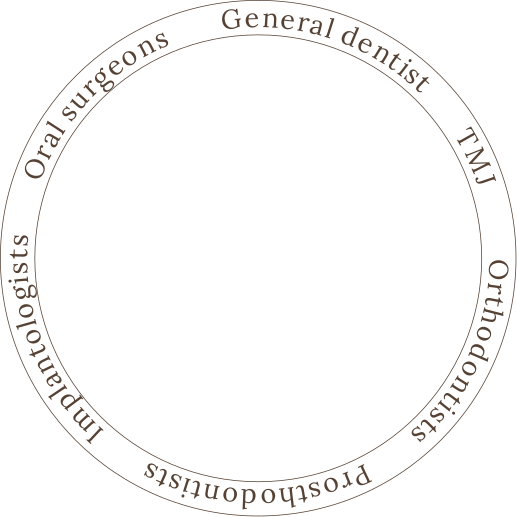
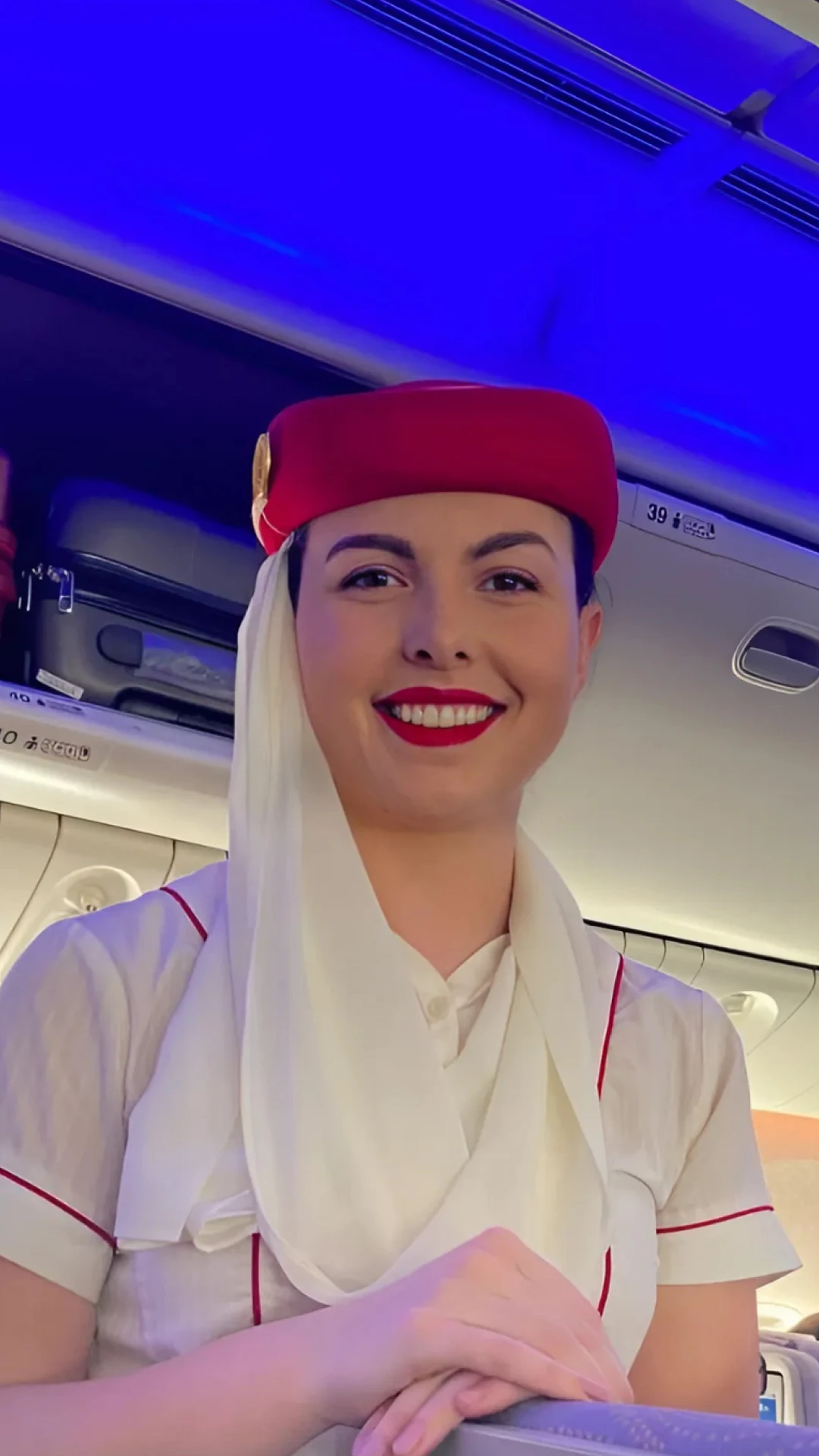
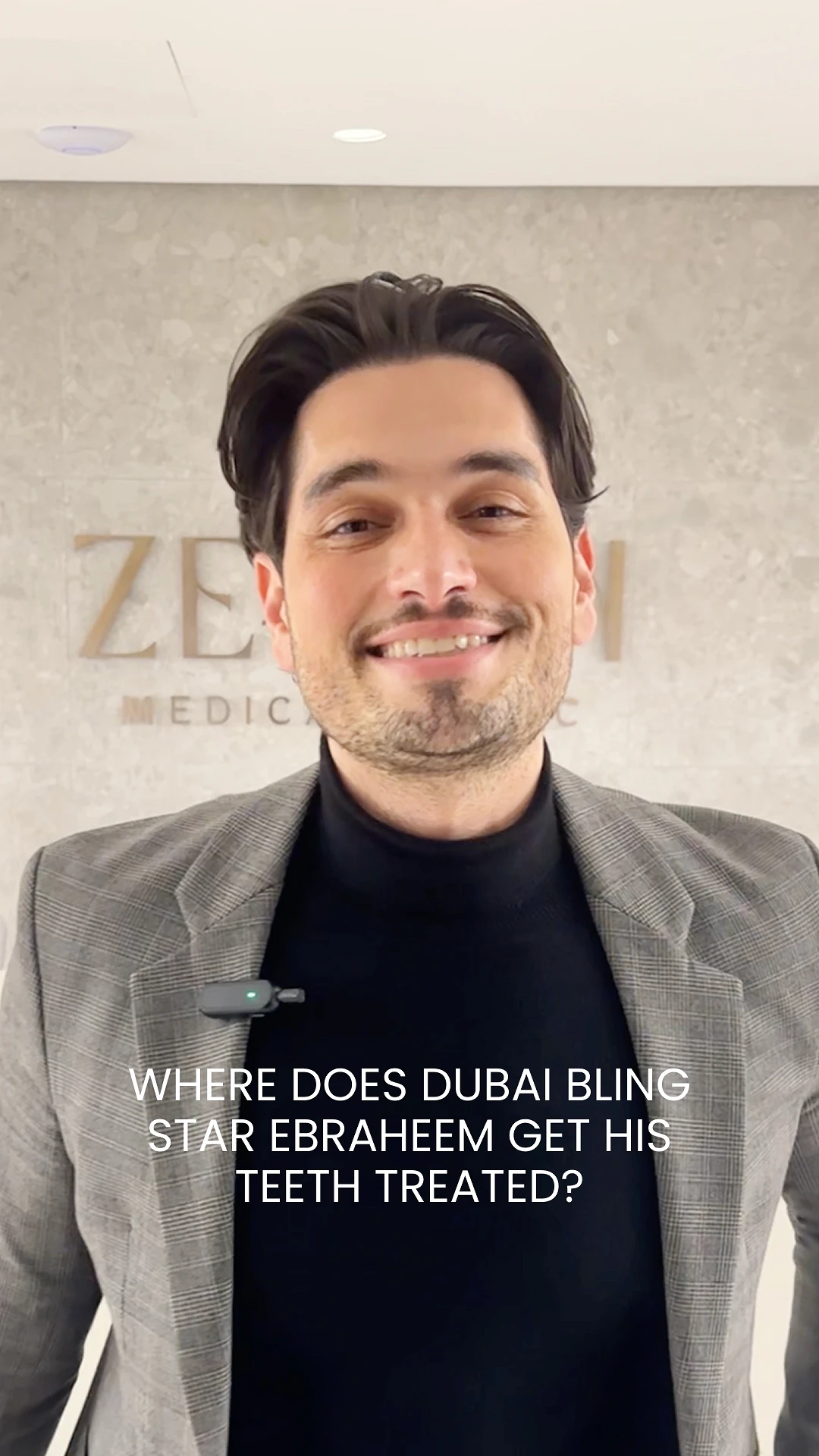
Chosen by those who expect the best
Among our patients are public figures and international experts who value exceptional quality, confidentiality, and a premium level of care.
International Standards in Dental Bridges
Modern prosthetics starts with understanding function, not choosing materials. We evaluate the bite, TMJ, and chewing muscles to create a bridge that is both aesthetic and fully integrated with your overall system.
We follow the principle of rational tooth preparation. The extent of intervention is determined by specific indications after digital planning, aiming to preserve as much healthy tooth structure as possible.
A high-quality bridge should not look like dental “work.” It should fit perfectly into your smile, maintaining natural volume and harmony. We focus on a refined, natural appearance rather than artificial whiteness.
Indications and Contraindications
- Absence of one or several consecutive teeth
- Presence of suitable supporting teeth or implants
- The need for aesthetic restoration in the smile zone or chewing area
Preliminary treatment may be required if the patient has:
- Cavities or gum inflammation
- Significant bite overload or bruxism
- Signs of TMJ dysfunction or unstable chewing muscle activity
If it is impossible to create a reliable and safe support for the structure, the doctor will suggest an alternative path, such as individual implant placement.

Maintenance and Care
After the bridge is fixed, it is vital to clean both the teeth and the area beneath the bridge. Your doctor will select the right tools for your case, such as an oral irrigator or superfloss.
Care is not just about hygiene; it is about preserving function. We recommend regular professional cleanings and check-ups to evaluate the bite and the stability of the supports. If bruxism is present, a protective night guard may be recommended to maintain long-term stability.
FAQ
Which is better: a dental bridge or an implant?
Do adjacent teeth need to be shaved down?
Will I be left without a tooth during treatment?
Can I get a bridge if my jaw clicks or I have headaches?
How long does a dental bridge last?
Zenon Dental Clinic on the Map
We are always happy to welcome you!
247 Jumeirah St – Jumeirah – Jumeirah 2 – Dubai
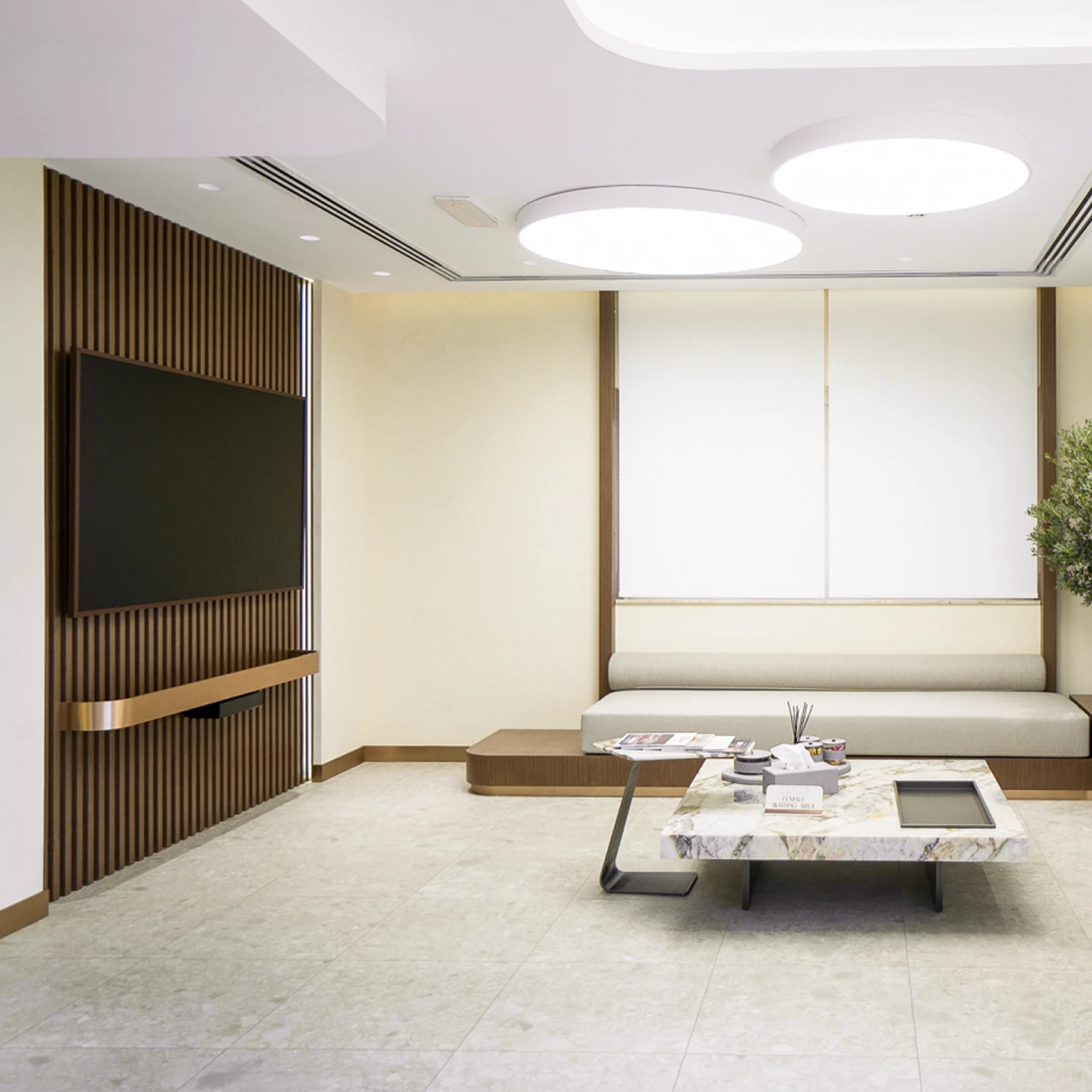
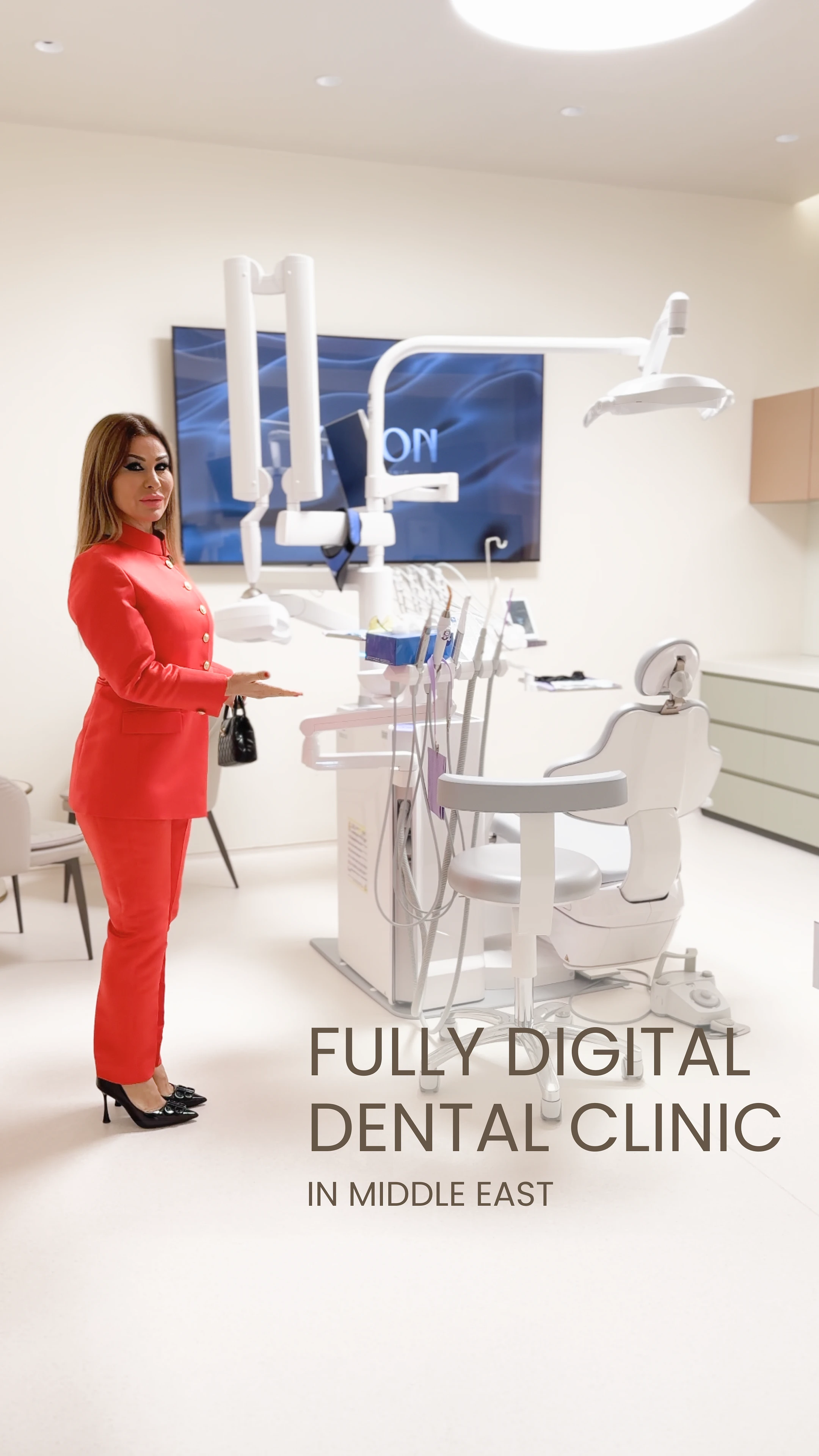
A calm, welcoming space where every detail is thoughtfully designed
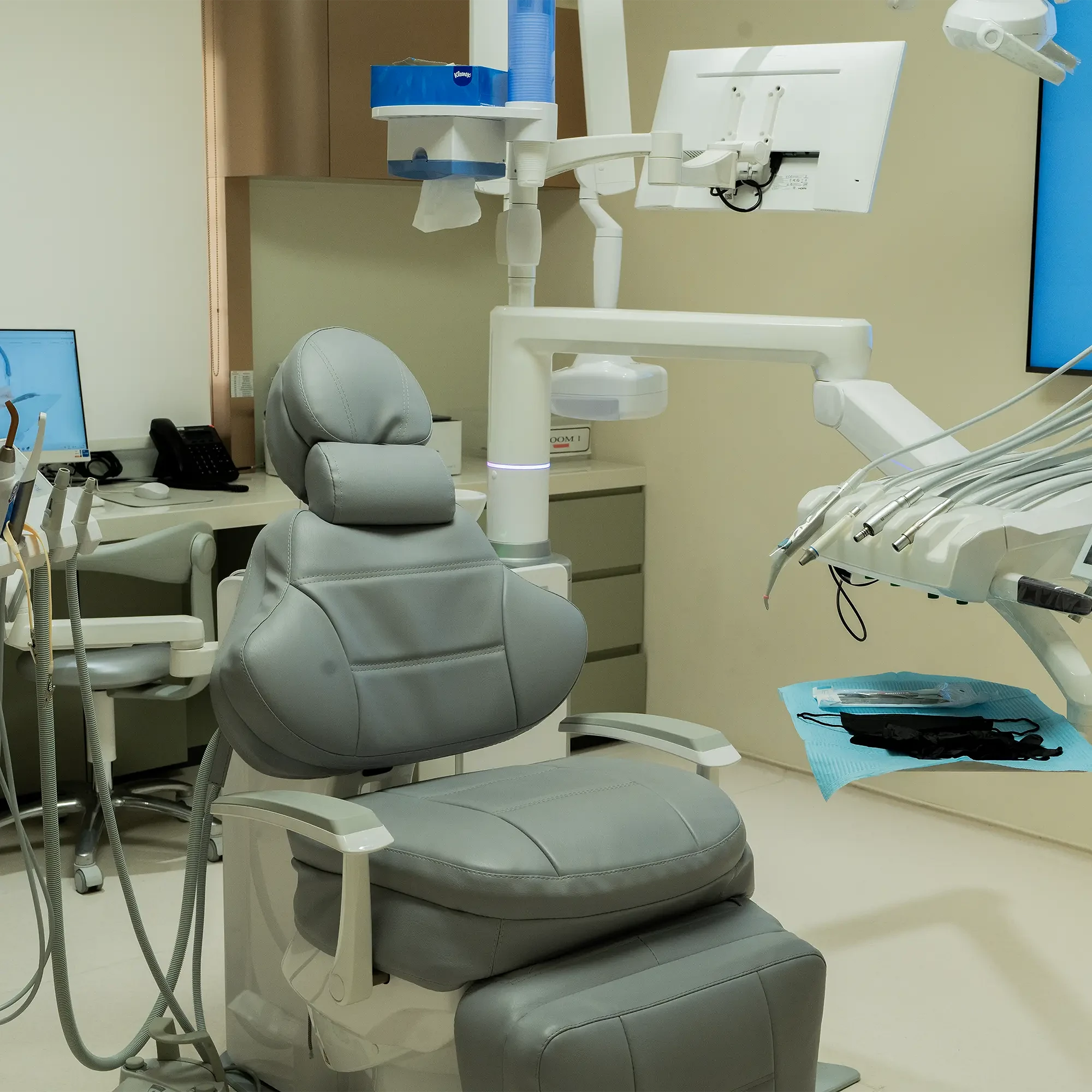
Equipped with the latest digital diagnostic and treatment technology