



Dental Fillings in Dubai
 340+ reviews
 4.9 on Google
- Experienced Russian-speaking dentists
- Pain-free dental fillings
- Treatment with a dental microscope


At Zenon Dental Clinic, we perform tooth restorations (dental fillings) for the treatment of cavities and pulpitis.
We restore not only the anatomy and aesthetics of the tooth, but also its function, ensuring proper chewing mechanics, balanced load distribution, and long-term durability. We use high-quality filling materials from leading international brands.
Zenon Dental Clinic employs specialists capable of handling dental cases of any complexity.

General dentist and prosthodontist with more than 10 years of experience practicing in Russia and Dubai.

Each doctor has 10–20 years of clinical experience treating complex cases.
What Are Dental Fillings?
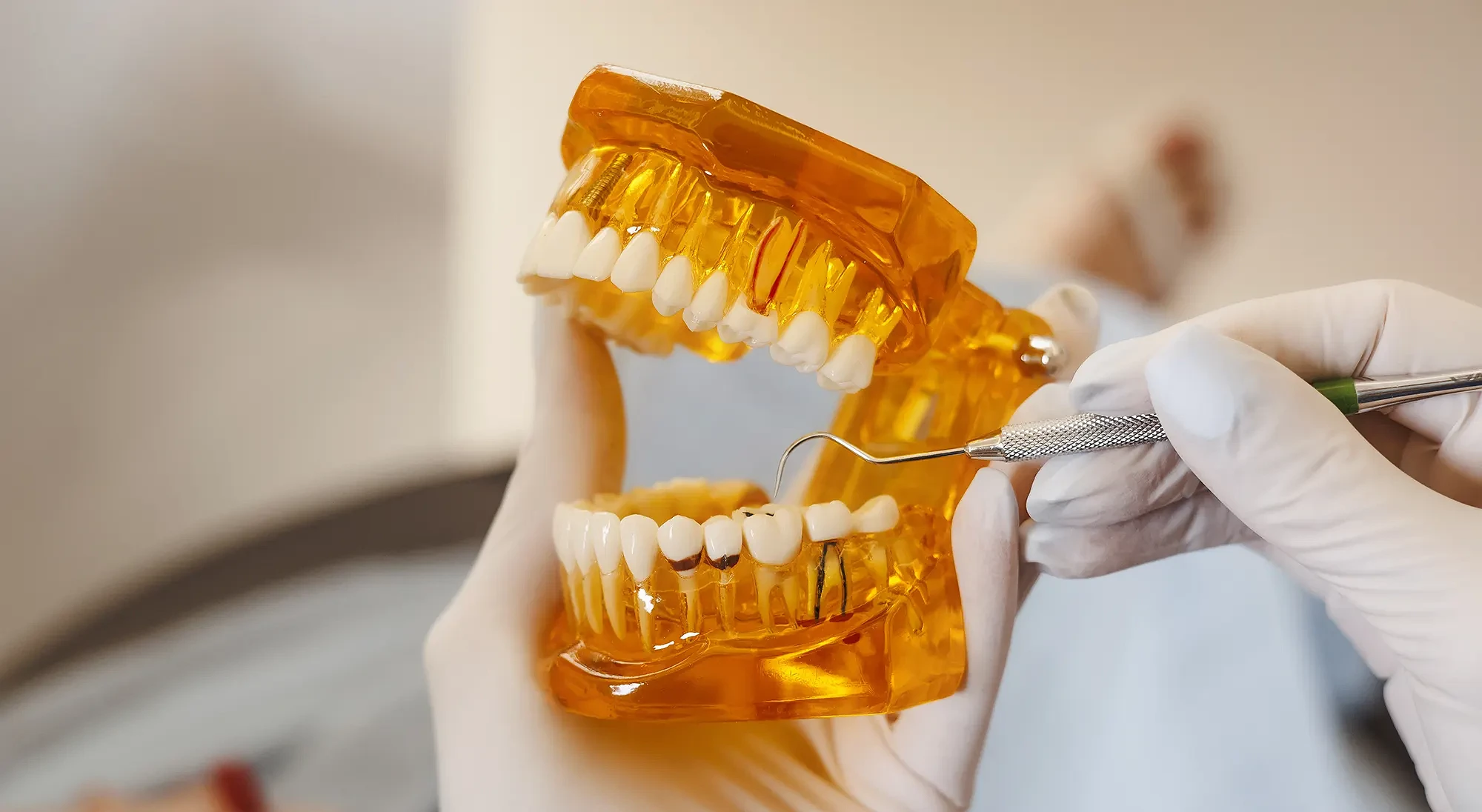
A restoration (filling) is the reconstruction of a tooth after decay or damage such as chipping. But it is not simply about “closing a defect.” The doctor’s task is to recreate the tooth’s shape so it functions properly during chewing and blends naturally with the surrounding teeth. Teeth work as a unified system, where every element affects load distribution.
That is why most problems with fillings arise not because of the material itself, but due to incorrect anatomy restoration or bite issues. It is important to restore not only the appearance of the tooth, but also its function.
Chewing teeth have cusps and grooves that ensure efficient chewing, while tight contacts between teeth help prevent food impaction. If these are not restored properly, the risk of gum inflammation, recurrent decay, and chewing discomfort increases.
Prices
Tooth Filling: 800 - 1,700 AED
Advantages of Dental Fillings at Zenon Dental Clinic
WaterLase allows for the gentle removal of affected tissues without overheating. It reduces sensitivity and may help accelerate healing.
QuickSleeper is a computerized anesthesia delivery system. The anesthetic is administered gently and precisely, without the heavy “frozen face” sensation.
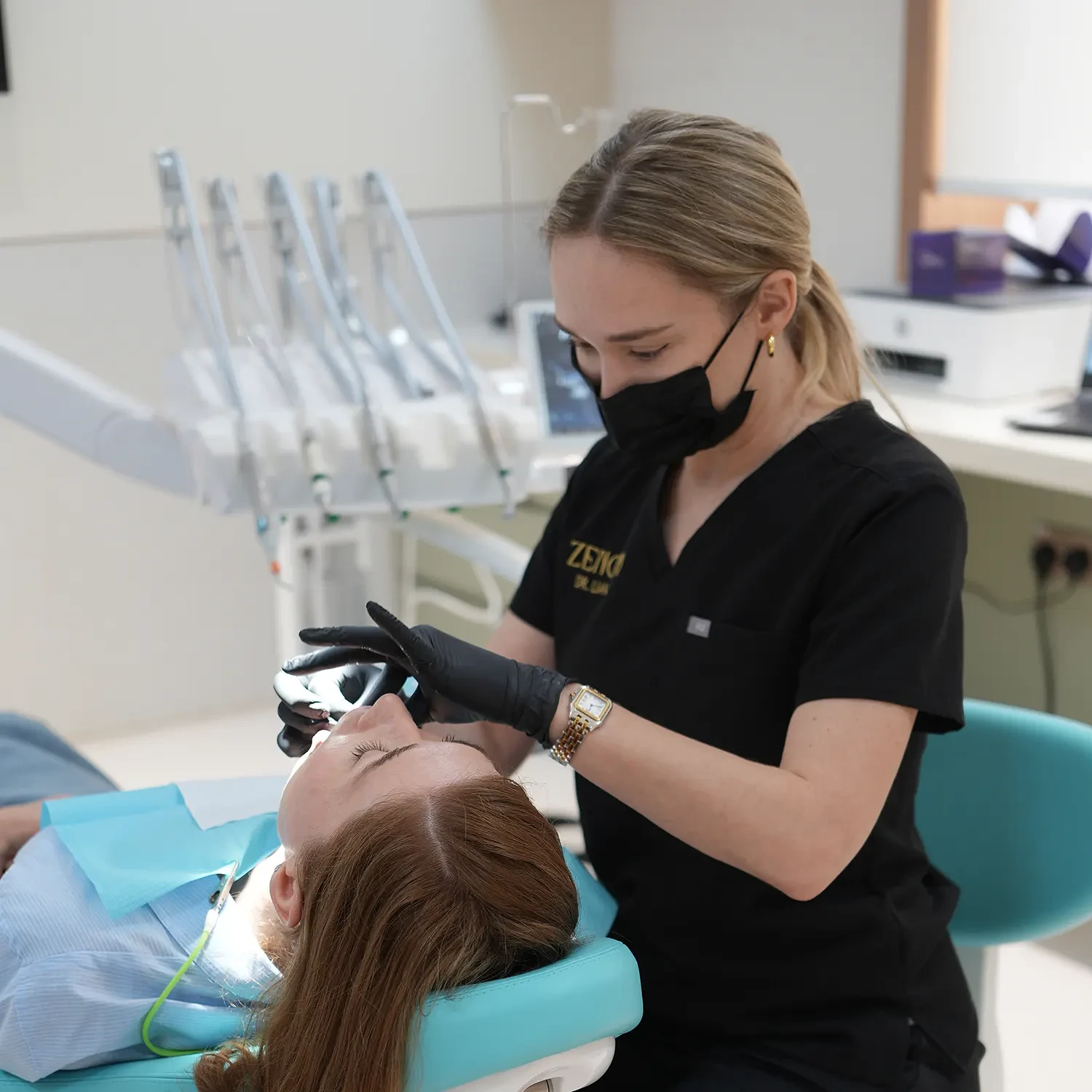
Magnification allows the doctor to detect microcracks and clearly distinguish healthy tissue from damaged tissue. This directly affects treatment precision and the long-term durability of the restoration.
Baldus provides treatment under medical sedation. This option is suitable for patients with dental anxiety or for those who delay treatment because of fear.
We work directly with most insurance companies in Dubai (direct billing). This means you do not need to pay first and request reimbursement later — everything is processed directly at the clinic.
Doctor’s Advice
General dentist, 11+ years of experience

Reviews
340+ reviews, 4.9 on Google Maps
See all our reviews22 Apr 2025

30 Mar 2025
29 Jun 2025
23 Jul 2025
12 Aug 2025
20 Jan 2026
10 Dec 2025
28 Feb 2026

Our Approach
At Zenon Dental Clinic, even simple cavity treatment is considered part of the overall dental system. We evaluate not only the individual tooth, but also its role in the bite, load distribution, and the function of the chewing muscles.
This approach helps prevent recurring problems, extend the lifespan of the restoration, and maintain the health of the entire dental system.



Book a Consultation
Consultations are conducted by doctors with 10–20 years of experience. Comprehensive diagnostics, including CBCT, and a personalized treatment plan — all in one visit.
 Meet Our Doctors
We will match you with the right specialist: orthodontist, general dentist, or surgeon.
 +971 4 286 7747
Write to us on WhatsApp or call us
within 15 minutes
 Complex cases are handled by Dr. Nana, an Invisalign speaker in Dubai
get the rest free.
How the Initial Consultation Works?
The initial consultation before tooth restoration (filling placement) is not simply “checking the tooth.” It is a comprehensive diagnostic process that allows the doctor to determine: how deeply the tooth is affected; whether the nerve is involved; and whether restoration alone is sufficient or more extensive treatment is required.
After the initial consultation, you will clearly understand:
- whether the tooth can be restored with a filling;
- which material and method are best;
- whether additional treatment is required;
- how long the procedure will take;
- the total treatment cost.
The doctor evaluates:
- the presence and depth of cavities;
- the condition of enamel and dentin;
- the seal of old restorations;
- the condition of the gum around the tooth;
- hidden damage or cracks.
Additionally, the doctor checks the tooth’s response to cold and heat, sensitivity during biting, and the condition of the nerve (pulp). This helps rule out pulpitis and determine whether a filling can be placed without root canal treatment.
If necessary, X-rays or cone beam computed tomography (CBCT) are performed if:
- there is suspicion of deep decay;
- retreatment of the tooth is required;
- there is suspicion of a crack or hidden inflammation.
- Special attention is also paid to the bite and chewing load.
The doctor evaluates:
- how the teeth close together;
- whether there is excessive pressure in the future restoration area;
- signs of tooth wear or bruxism.
This is important because even a perfectly placed restoration may fail quickly if the load is distributed incorrectly.
Stages of Dental Filling Placement
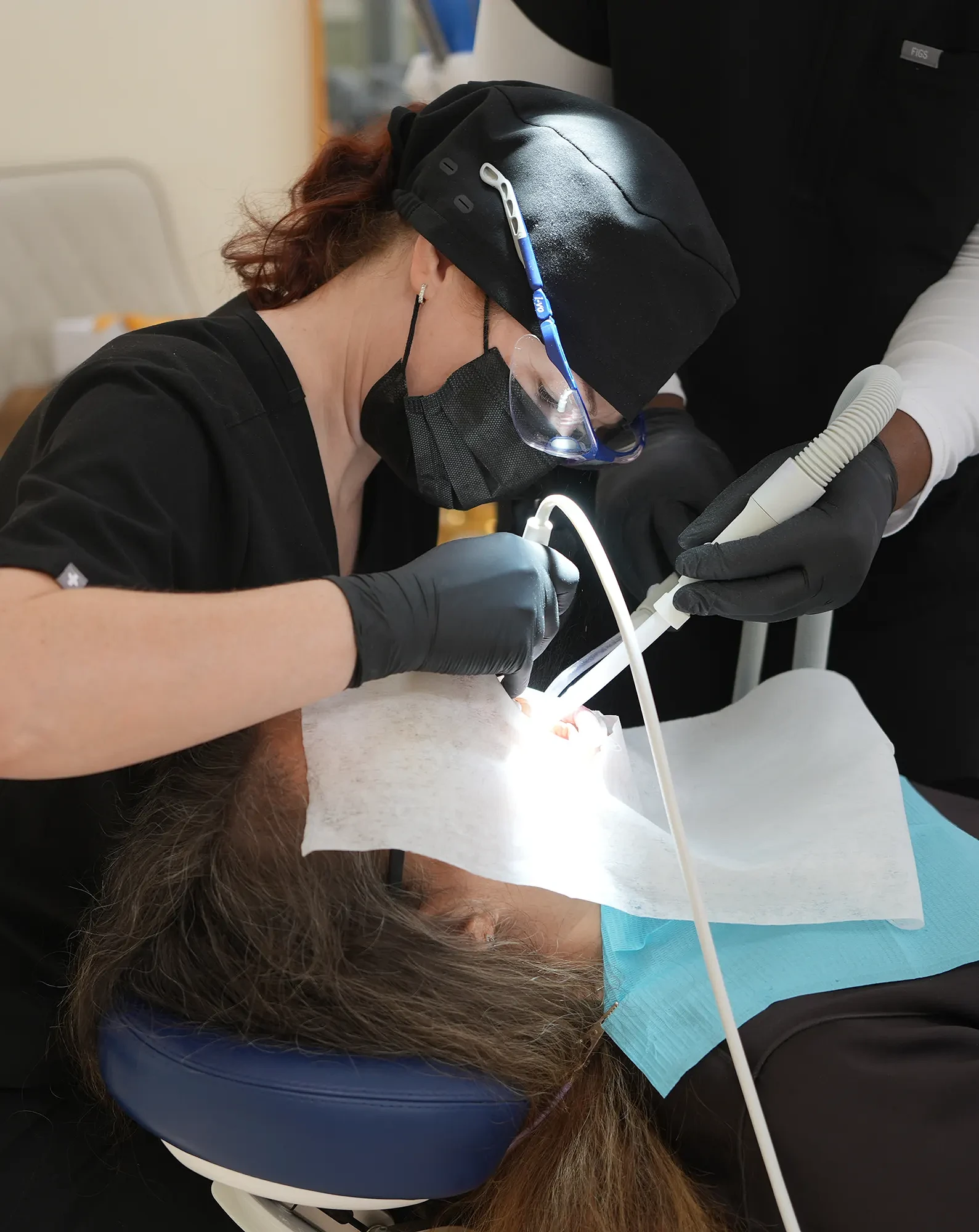
The doctor performs a visual examination of the oral cavity. If necessary, a CBCT scan is performed to obtain a complete clinical picture and avoid missing hidden issues.
Using QuickSleeper, the doctor numbs the treatment area precisely — without pain or prolonged numbness.
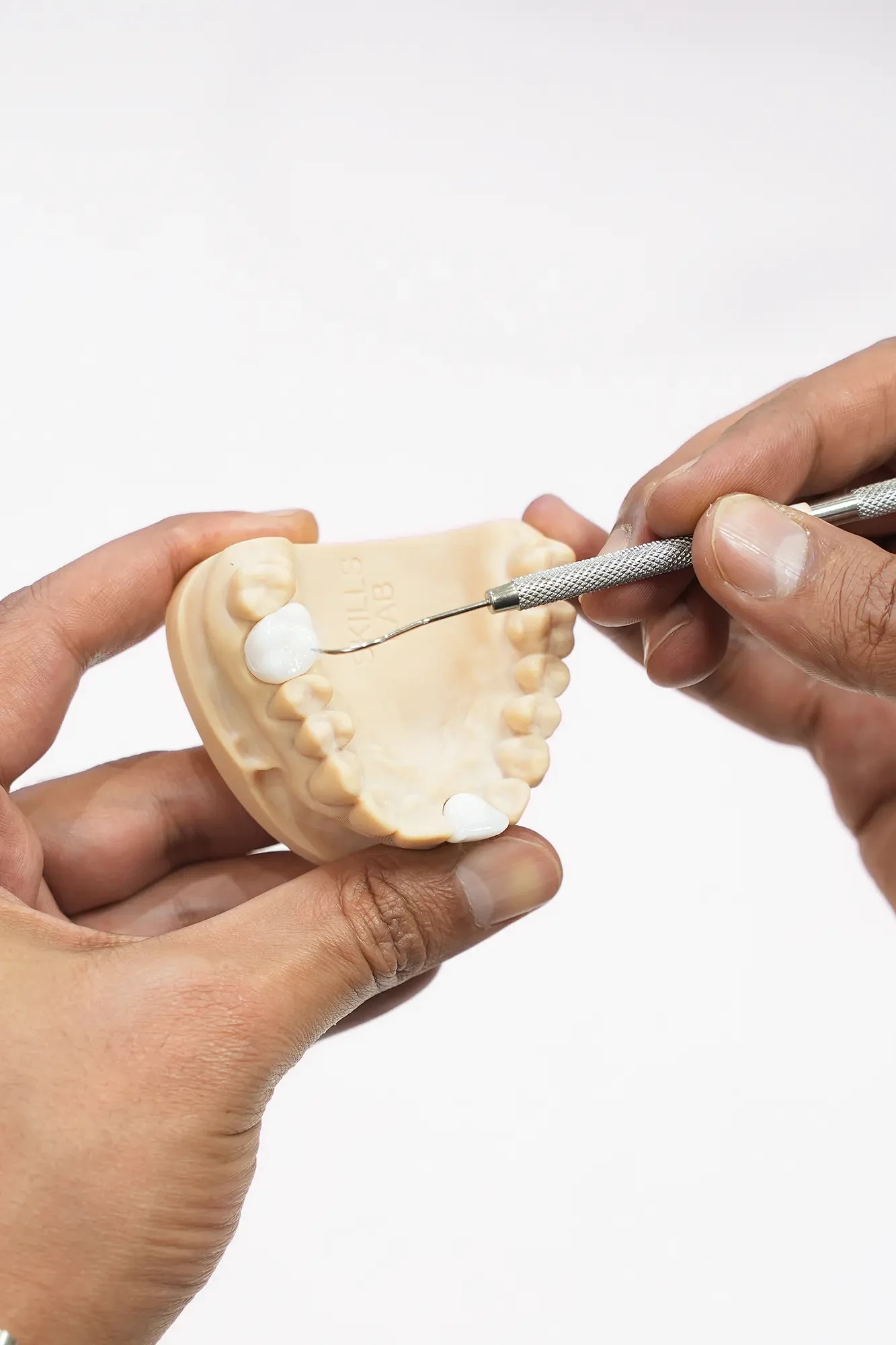
Under a dental microscope, the doctor gently removes tissue affected by decay while preserving as much healthy tooth structure as possible.
The treatment area is isolated from saliva — this is critical for the longevity of the restoration.
The doctor rebuilds the tooth layer by layer using restorative material, imitating the natural structure of enamel and dentin. The anatomy of the tooth is recreated, including cusps and contact points, so the tooth functions properly during chewing. The restoration is then polished and refined.
Interdisciplinary Approach
Chosen by Those Who Expect the Best
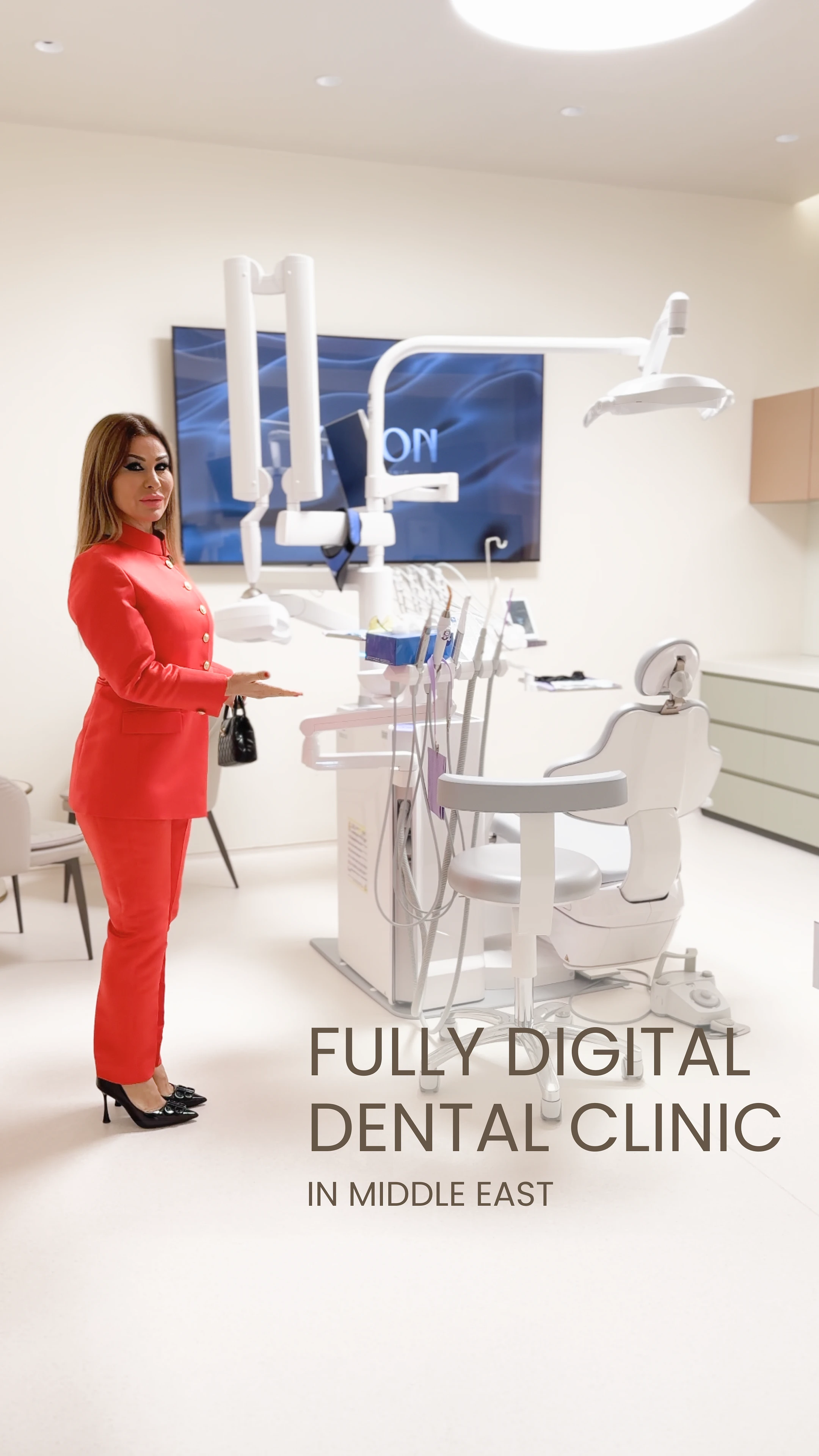
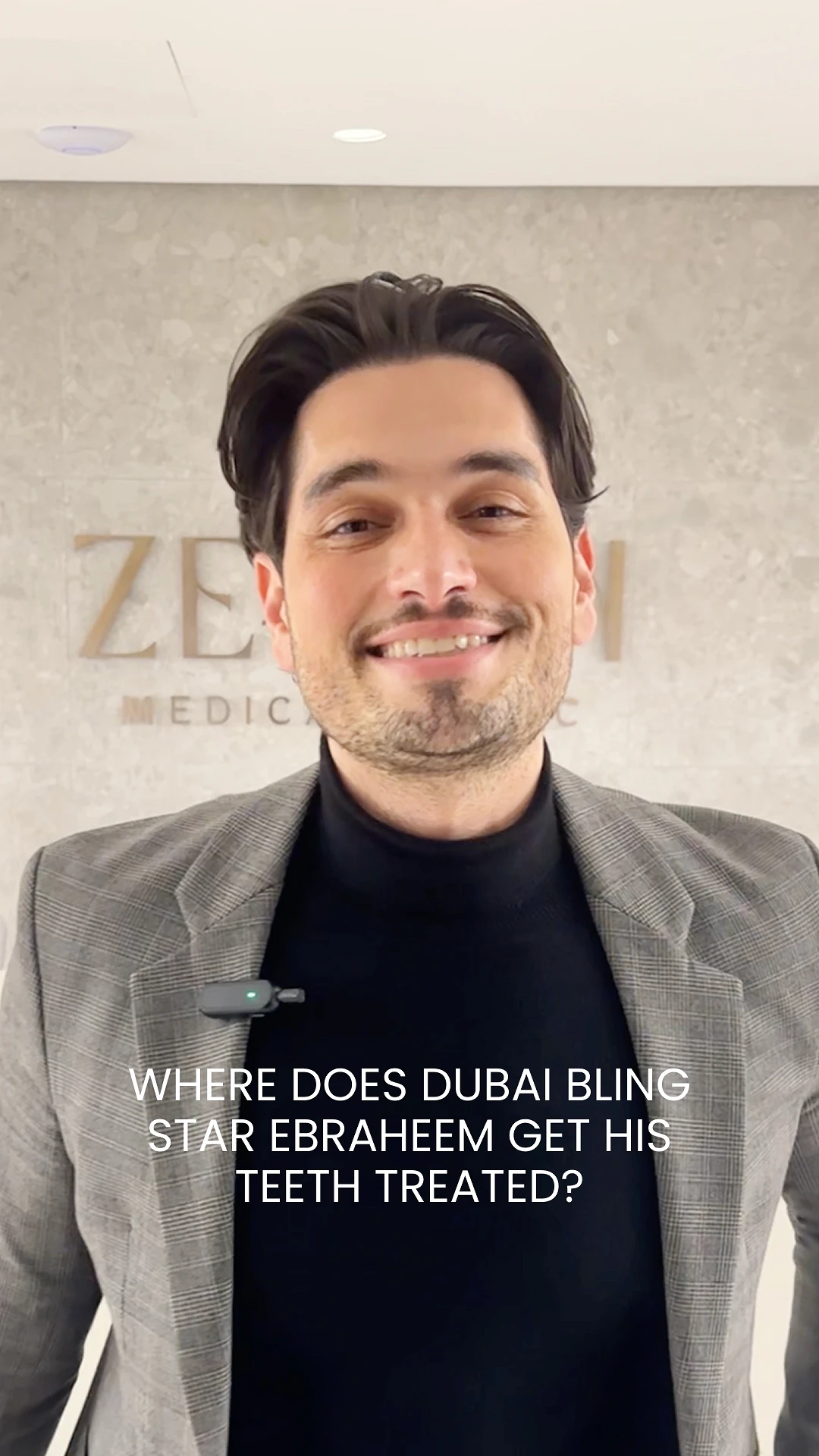
Among our patients are public figures and international experts who value impeccable quality, confidentiality, and premium-level service.

Reviews
Tooth Restoration According to International Standards
Treatment is performed under magnification, allowing the doctor to detect even microscopic areas of decay and clearly distinguish healthy tissue from damaged tissue. This allows removal of only the affected area while preserving as much natural tooth structure as possible.
The laser carefully treats the cavity without traumatizing the tissues. The procedure is more comfortable, tooth sensitivity is reduced, and recovery is faster.
The anesthetic is delivered precisely and in a controlled manner, so the injection is barely noticeable. There is no “frozen face” effect — you can return to your normal routine immediately after the appointment.
Indications and Contraindications
- cavities at any stage (early, moderate, or deep);
- chipped or cracked teeth;
- enamel wear (attrition);
- replacement of old or darkened restorations;
- restoration of tooth shape and contact points.
In some cases, additional treatment or diagnostics are required before restoration. This is not a “restriction,” but rather a preparation stage necessary to achieve a stable and predictable result.
- gum inflammation;
- severe tooth destruction;
- suspected nerve involvement (pulpitis).
If the crown portion of the tooth is significantly destroyed (more than 50–60%), a restoration (filling) is not recommended because it may not withstand chewing forces. In such cases, an inlay or crown is recommended instead.

Prevention and Aftercare
After restoration placement, proper oral hygiene plays a key role — it helps prevent decay from developing around the restoration. It is recommended to brush your teeth twice daily, use fluoride toothpaste, and clean between the teeth with floss or an irrigator. Special attention should be given to interdental spaces, as they are the most vulnerable areas.
Preventive dental check-ups are recommended at least once every 6 months. The doctor checks how tightly the filling fits the tooth and evaluates both its condition and the condition of the surrounding tissues. Professional cleaning, polishing of the filling, and bite adjustment may also be performed if necessary — this helps extend the lifespan of the restoration.
It is also important to consider chewing load in daily life. Avoid biting hard objects or foods, and if you have bruxism, protective night guards are recommended. If sensitivity, discomfort, or the feeling that the tooth “interferes” appears, it is important not to postpone a visit to the dentist — this allows for timely correction and helps preserve the restoration.
FAQ
Is it painful to get a filling?
How long does a filling last?
On average — from 5 to 10 years or longer. The lifespan depends on several factors:
- precision of anatomical restoration;
- proper bite load distribution;
- quality of oral hygiene;
- presence of bruxism.
With a comprehensive approach and regular monitoring, a filling can last significantly longer without replacement.
Do old fillings need to be replaced if they do not hurt?
Yes, in some cases replacement is necessary. Over time, fillings may:
- lose their seal;
- develop microleakage;
- change color;
- cause recurrent decay underneath the filling.
Planned replacement helps avoid more complex treatment in the future.
Can a filling be placed in one visit?
What happens if cavities are not treated?
Zenon Dental Clinic on the Map
We are always happy to welcome you!

A calm, welcoming space where every detail is thoughtfully designed
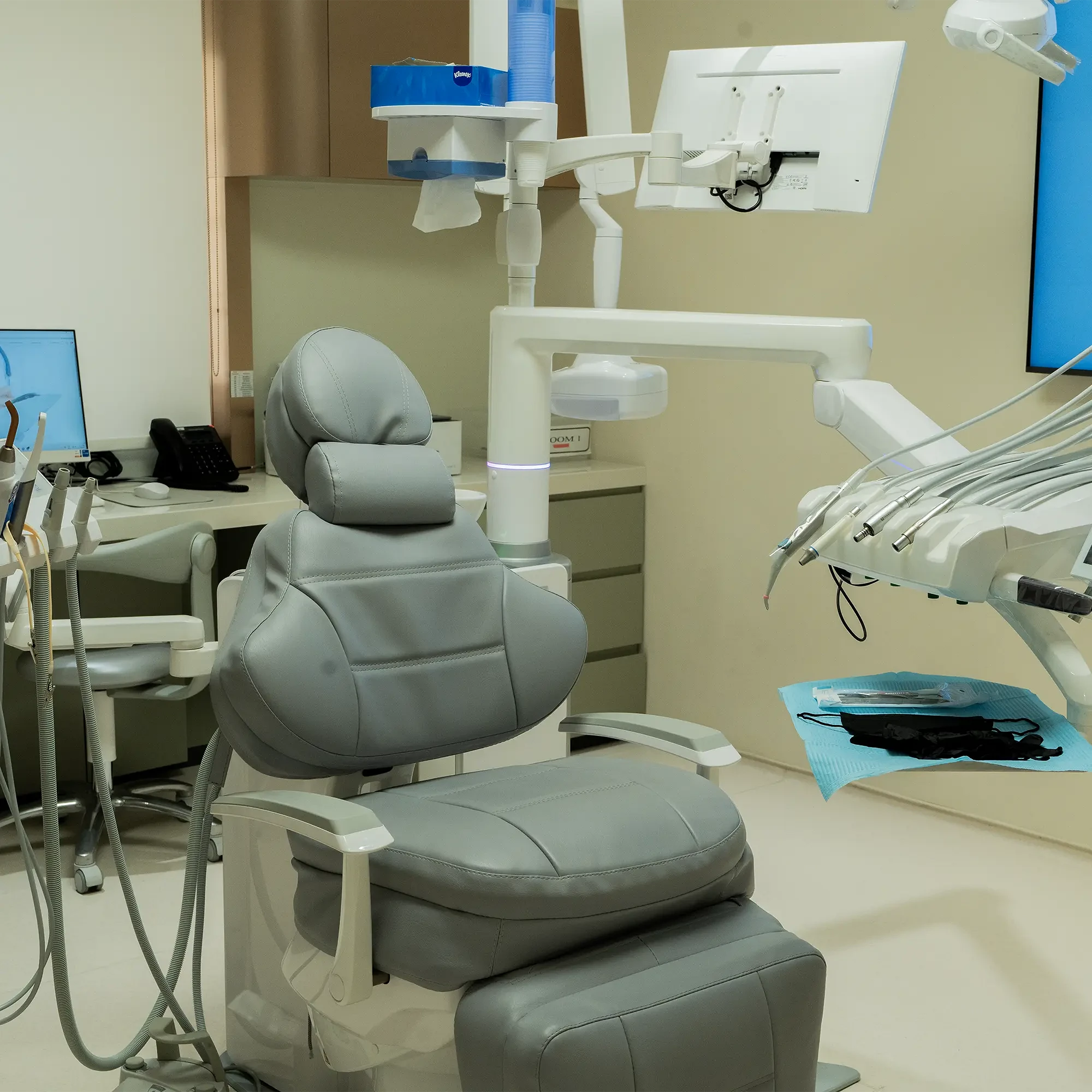
Equipped with the latest digital diagnostic and treatment technology