



Treatment with Braces Treatment in Dubai
 340+ reviews
 4.9 on Google
- Installments available from AED 2,500 per month
- Team of DHA-licensed doctors in Dubai
- Russian-speaking orthodontists


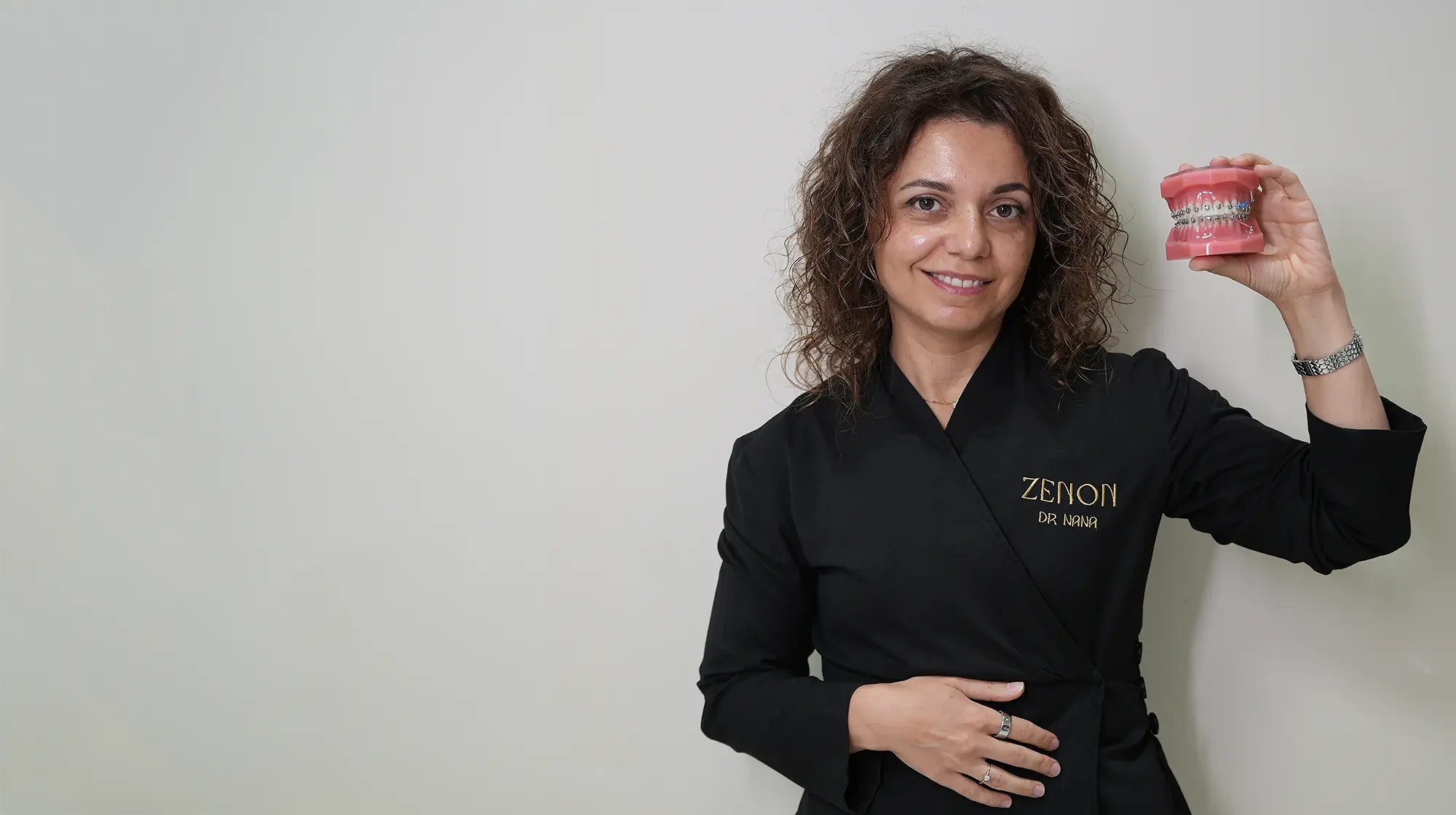
We offer braces treatment at Zenon Dental Clinic in Dubai, focusing on both aesthetics and a functional bite. Treatment is carried out under the supervision of Dr. Nana Zhdanova, PhD in Medical Sciences, together alongside her carefully selected team.
At the first consultation, we perform comprehensive diagnostics to identify the exact causes of bite issues and create a personalized treatment plan. Tooth movement is controlled and gentle, taking into account the function of the temporomandibular joint (TMJ) and chewing muscles. Our goal is not just to straighten teeth, but to create a stable, healthy bite with long-term results.
PhD in Medical Sciences, 22+ years of experience, Diamond Apex Invisalign Provider One of the top 1% of orthodontists worldwide with the highest clinical status in the Invisalign system.

Each doctor has 10–20 years of clinical experience working with complex cases.

Performs functional diagnostics and participates in the treatment of complex TMJ-related cases.
What Are Braces?
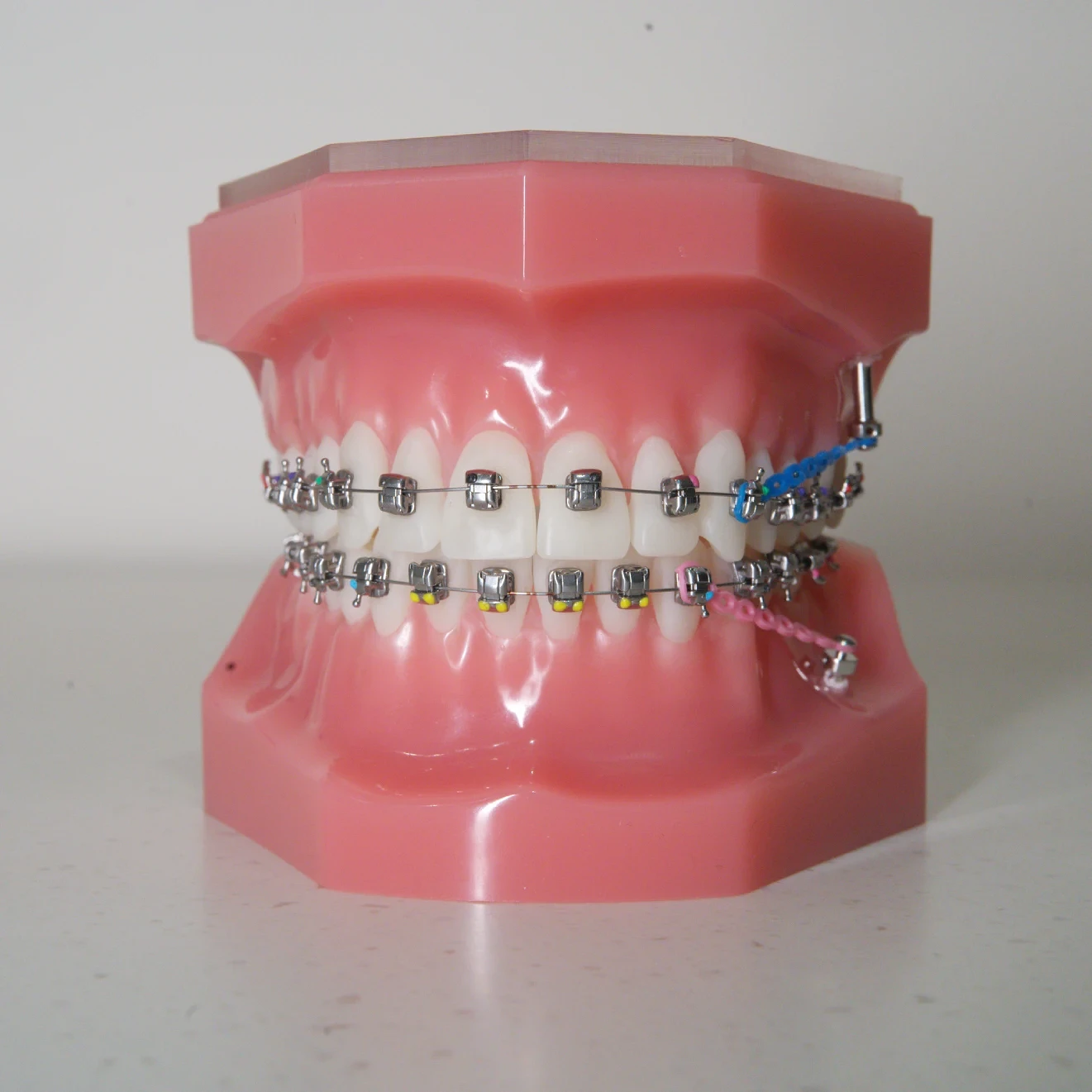
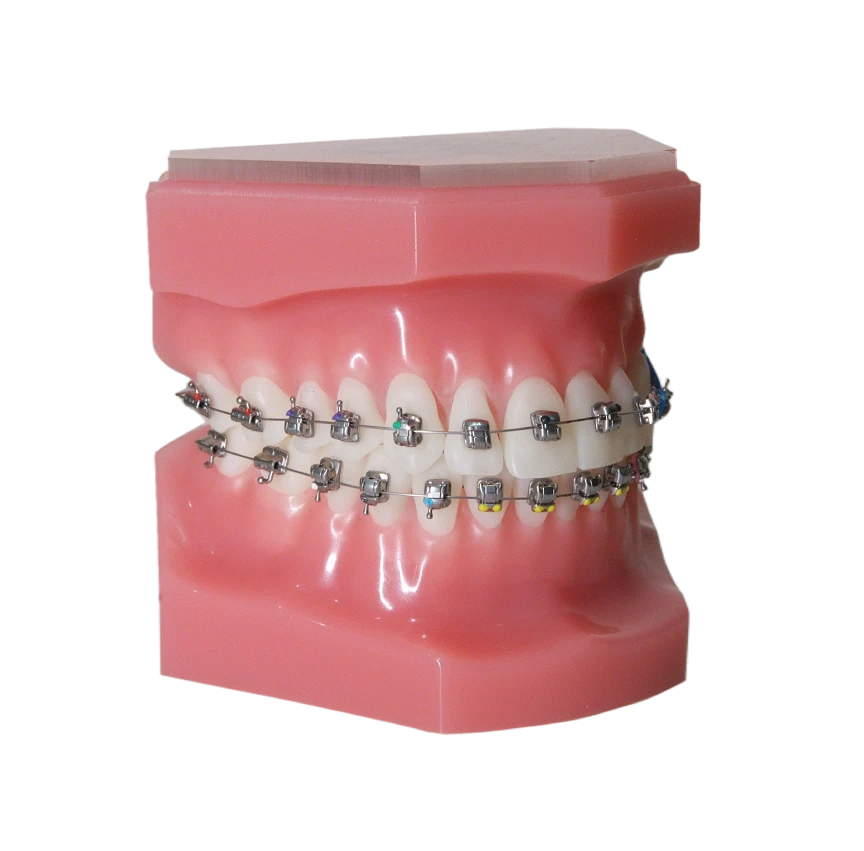
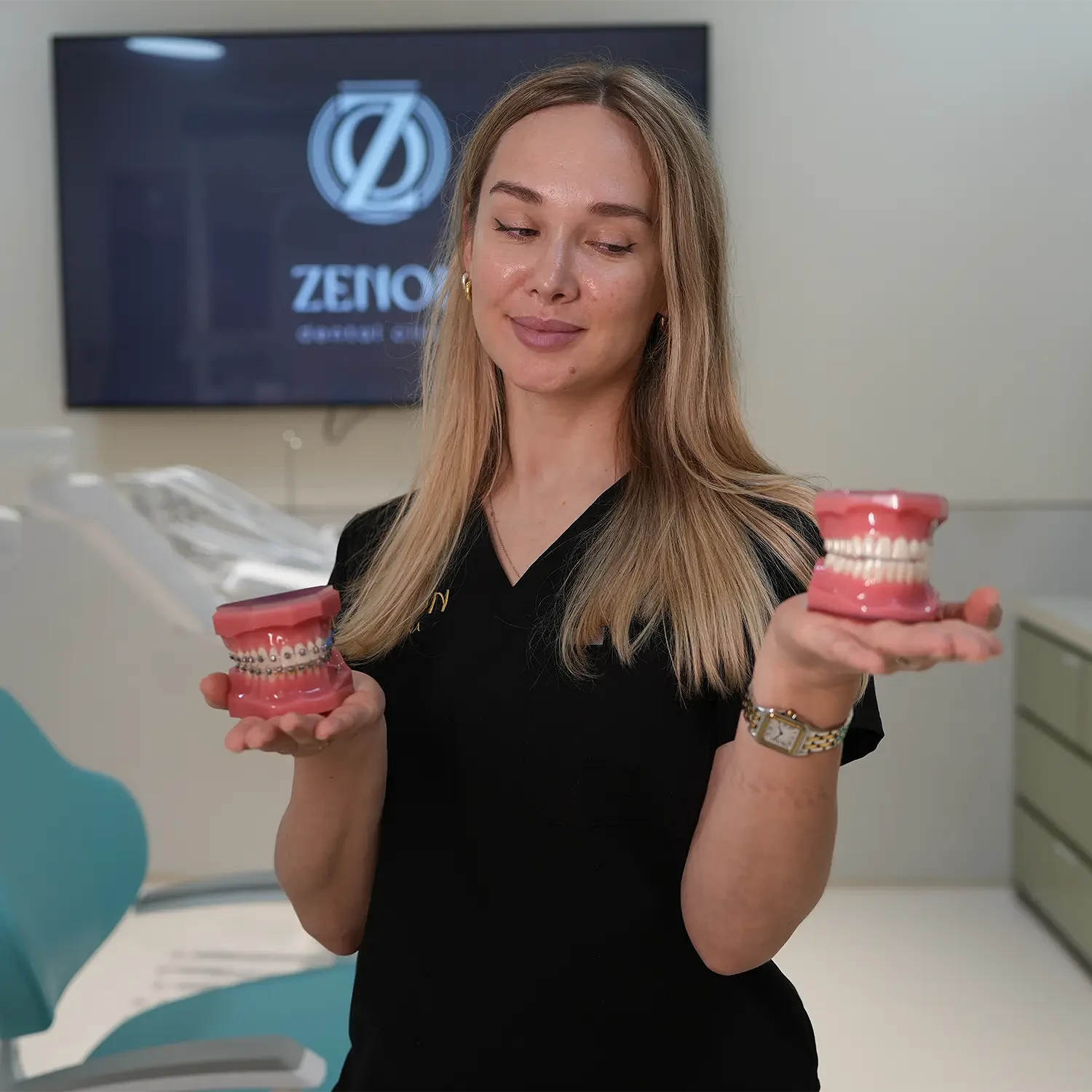
Braces are a proven orthodontic system used to correct bite issues and align teeth. Small metal or ceramic brackets are fixed to the teeth and connected with an archwire. Under controlled pressure, teeth gradually move into the correct position.
Treatment usually takes 12–24 months depending on the clinical case and requires regular visits for adjustments and monitoring.
As an alternative to braces, we often recommend clear aligners — a more aesthetic and comfortable solution. In our practice, aligners are used in most cases because they allow precise planning and let patients see the final result in advance.
Cost
Braces: from AED 16,000 to 39,000
Invisalign aligners: from AED 16,000 to 39,000
SureSmile aligners: from AED 3,500 to 6,500

Advanced diagnostics like 3D scanning, TENS diagnostics, and TMJ health assessment are included.

Fixed Pricing: final cost is confirmed after the consultation, documented in the contract, and remains unchanged throughout the treatment.
Installment plan from 2500 - AED/Month

Video about our approach to treatment
 Duration: 1:29


Book a Consultation
Consultations are conducted by doctors with 10–20 years of experience. Comprehensive diagnostics, including CBCT, and a personalized treatment plan — all in one visit.
 Meet Our Doctors
We will match you with the right specialist: orthodontist, general dentist, or surgeon.
 +971 4 286 7747
Write to us on WhatsApp or call us
within 15 minutes
 Complex cases are handled by Dr. Nana, an Invisalign speaker in Dubai
get the rest free.
Benefits of Braces for Bite Correction
Metal (durable and cost-effective), ceramic (tooth-colored), lingual (placed on the inner side of the teeth).
No need to remove them before eating — they cannot be forgotten or lost.
Effective even in complex cases, with a proven track record of over 100 years.
Results are less dependent on compliance compared to removable systems.
Braces can be visible (especially metal ones), and mild discomfort may occur after placement or adjustments. Brackets can irritate the soft tissues, require careful oral hygiene, and dietary restrictions (hard or sticky foods may damage the system).
Regular adjustment visits are required, typically every 4–6 weeks.
Doctor’s Advice
Orthodontist with 22+ years of experience
Patients often come in requesting braces without being aware of aligner treatment options. Aligners are sometimes referred to as “clear” or “plastic braces.”
At Zenon Dental Clinic, we primarily focus on aligner-based treatment. This is a modern, precise, and comfortable orthodontic solution. I have been working with aligners for over 22 years and have treated more than 3,000 patients.
You can learn more about the benefits of aligners in a separate article.
However, if braces are the best solution in your case — or if you specifically prefer them — we will select and carry out treatment using the most appropriate braces system.
Reviews
340+ reviews, 4.9 on Google Maps
See all our reviews22 Apr 2025

30 Mar 2025
29 Jun 2025
Why Braces May Not Work Without Functional Diagnostics
In short: teeth are not just about alignment — they are part of the entire dentofacial system.
If only the teeth are corrected while ignoring function, it can lead to complications:
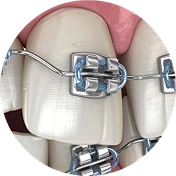
— leads to unstable tooth movement
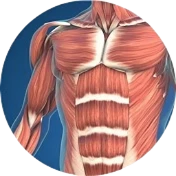
— increases the risk of relapse
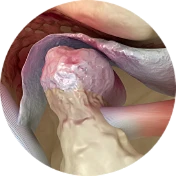
— may cause pain, bruxism, or bite instability
Our Approach to Treatment with Braces
We are a comprehensive dental clinic focused on both aesthetics and functional bite. True aesthetics go beyond simply straight teeth.
We work with the shape, color, and proportions of the smile — from whitening and veneers to enhancing the natural harmony of the face.
Bite correction also affects the proportions of the lower third of the face, making the smile more expressive and subtly improving facial features.
A functional bite means proper function of the entire dentofacial system: teeth, chewing muscles, and the temporomandibular joint.
When everything is in balance, the result is not only aesthetic, but also stable for years to come.
Neuromuscular Evaluation — The Foundation of Accurate Braces Treatment
In orthodontic treatment, it is important to understand that the bite is not formed by teeth alone. Their position is the result of the entire dentofacial system, including the chewing muscles and the temporomandibular joint.
Before placing braces, we perform neuromuscular diagnostics to determine the correct position of the lower jaw.
We analyze:
- how the chewing muscles work at rest and during movement;
- whether there is displacement or tension affecting jaw position;
- the causes of TMJ clicking, muscle spasms, and increased tooth wear.
This approach allows us not just to align teeth, but to build a stable and functional bite with long-lasting results.
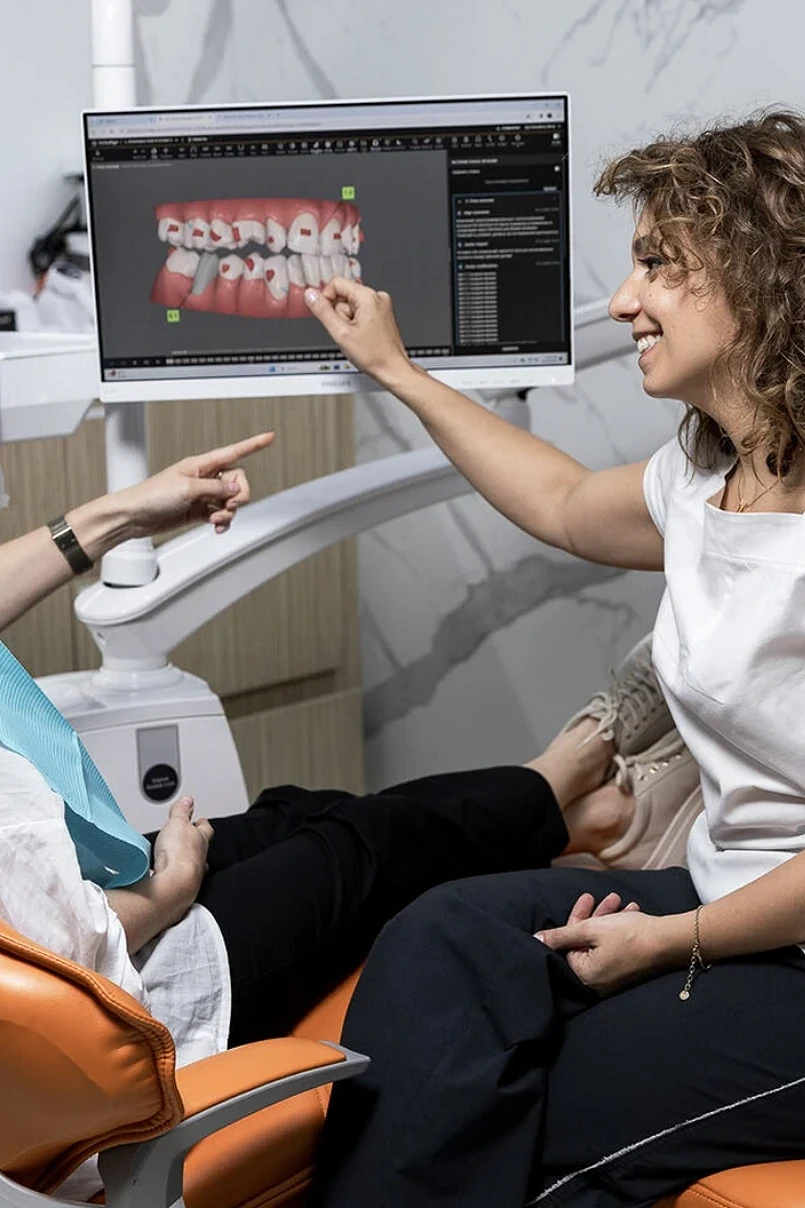
What Happens at Your First Braces Consultation
This is not just a conversation — it includes 3D scanning, a clinical photo protocol, and CBCT imaging. Without comprehensive diagnostics, it is impossible to fully assess all bite and functional issues. Button: Book a consultation
Our CBCT system shows not only teeth and jaws, but also the temporomandibular joint, airways, bone structure, and cervical spine. It features minimal radiation exposure and is safe even for children and pregnant patients.
We use a small intraoral camera (similar to a thick toothbrush with a light) and scan all teeth in 2–5 minutes.
During the scan, an accurate 3D model of the teeth is created in real time — a modern and more comfortable alternative to traditional impressions.
We take a series of photos and short videos of the face and oral cavity in different positions — this takes just 3–5 minutes.
This allows us to analyze micro-expressions and functions: lips, tongue, chewing muscles, and breathing at rest and in motion.
Taking these factors into account helps us create a more precise and stable treatment plan.
After diagnostics, we present a preliminary treatment plan, timing, and cost.
Important: using AI, we highlight problem areas directly on the images. This visual scheme helps you clearly see where the issue is and how the doctor plans to correct it.
Stages of Bite Correction with Braces
Braces treatment process
We perform an examination, CBCT imaging, 3D scanning, photo/video protocol, and assess the joint and muscles to create an accurate treatment plan. Unlike aligners, we do not create a virtual before/after simulation for braces. However, this does not mean the plan is unclear. At the first consultation, we explain:
- how long treatment will take,
- what stages are involved,
- what options are available,
- and what the treatment will cost.
We treat cavities, remove plaque and tartar, sometimes extract severely damaged teeth, and perform professional cleaning to ensure braces are placed on healthy teeth.
We fix the brackets onto the teeth and activate the first archwire.
Alignment — first 4–8 months: teeth slowly straighten out.
Bite correction and movement — 6–18 months: closing gaps, rotations, jaw work.
Detailing — final 3–6 months: fine adjustments and closing small spaces. Visits every 4–8 weeks for archwire and elastic changes.
Braces removal We remove the system, clean the teeth, and polish the enamel.
We place retainers (fixed wire behind the teeth + removable night aligners) for at least 1–2 years to prevent relapse.

The Foundation for Dental Rehabilitation!
If there are no significant aesthetic defects (chips or severe wear), braces treatment can be complemented with professional whitening to achieve a brighter and more harmonious smile. After treatment, wearing retainers is enough to maintain the result.
If there are aesthetic defects, significant wear, or missing teeth, braces treatment becomes a preparatory stage before further rehabilitation. After alignment, veneers, crowns, or implants can be precisely planned and placed in the correct position, achieving a more aesthetic and long-lasting result with minimal intervention.
Comprehensive Approach — All Specialists in One Clinic
Our clinic has a full team of specialists. If you need additional treatment, cleaning, or fillings before or during orthodontic treatment, everything can be done in one place.
There is no need to visit multiple clinics, wait weeks, or travel back and forth — everything is handled in one location, at a comfortable pace, under the supervision of your orthodontist.
Testimonials
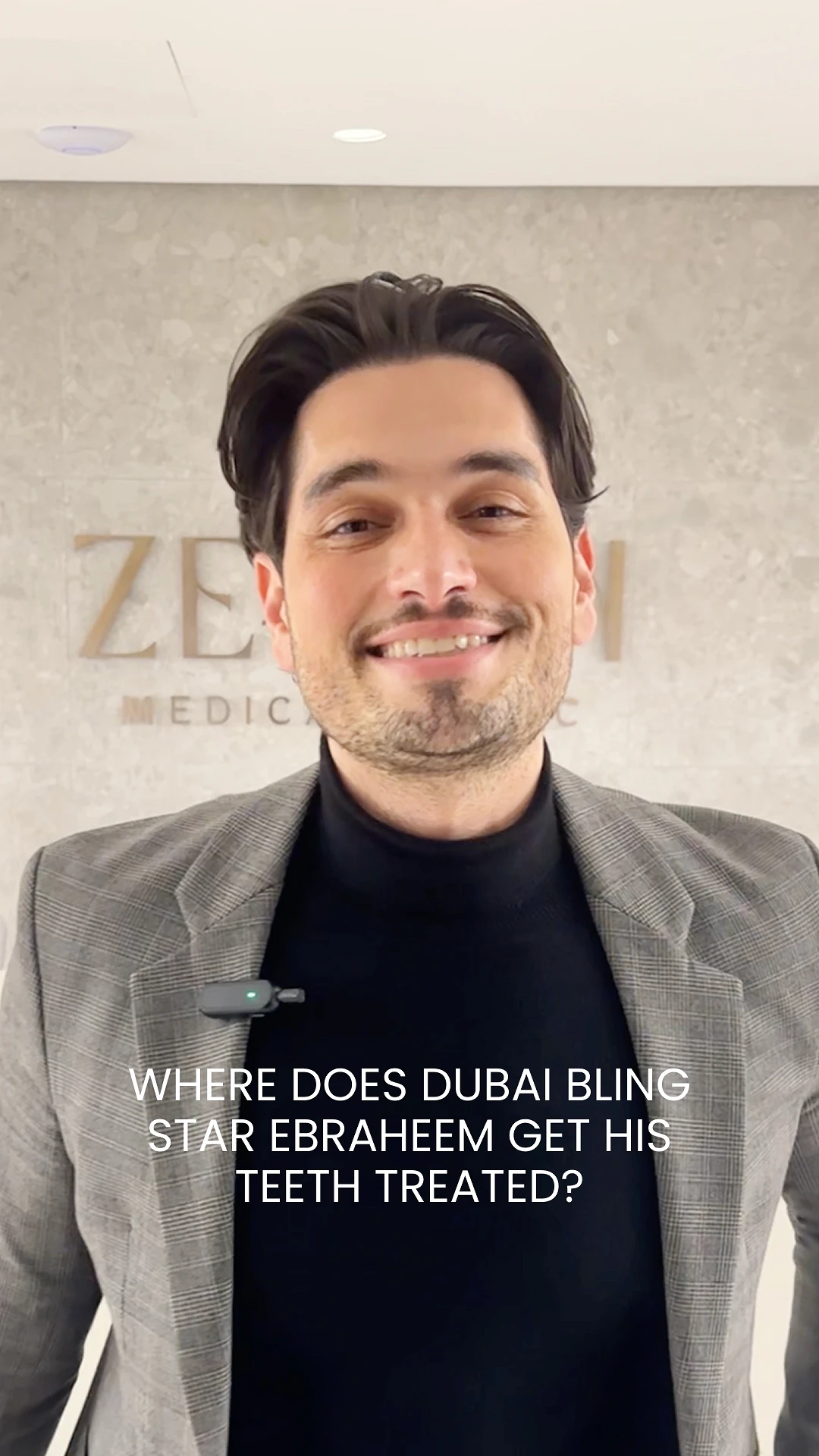
Chosen by those who are accustomed to the best
Our patients include public figures and international experts who value impeccable quality, confidentiality, and a premium level of service.
Treatment with Braces According to International Standards
All our doctors hold valid DHA (Dubai) licenses and regularly confirm their qualifications through professional training and certification. They stay up to date with the latest methods, medications, and technologies, ensuring more accurate diagnosis and more effective treatment with fewer risks and faster recovery.
Intraoral 3D scanning replaces traditional impressions: in just 3–5 minutes, a camera creates an accurate model of your teeth — comfortable and without gag reflex. CBCT (cone-beam computed tomography) provides highly detailed images with minimal radiation exposure, showing teeth, roots, joints, and even airways.
After CBCT, we upload the images into specialized AI-assisted software that visualizes the data and highlights potential problem areas. This allows not only the doctor to explain your clinical situation in detail, but also helps you clearly see what requires attention and why.
Indications for Braces – When Are They the Right Choice?
-
Crowded teeth
Teeth are positioned too closely, overlap, or extend beyond the dental arch.
-
Gaps between teeth
Noticeable spaces, especially in the front teeth area.
-
Deep bite
Upper teeth excessively overlap the lower teeth, which may травматize the palate.
-
Open bite
A gap remains when teeth are closed, making it difficult to bite food.
-
Crossbite
Teeth on one side close incorrectly, affecting symmetry.
-
Incorrect position of individual teeth
Severe rotations, protruding, or impacted teeth.
-
Incorrect lower jaw position
The lower jaw is positioned too far forward or backward, which may lead to facial asymmetry and joint tension.
Additional preparation is required before treatment with braces.
-
Poor oral hygiene or untreated periodontal disease
Treatment and proper hygiene must be established first. -
Active caries or tooth destruction
The doctor will first eliminate infection and restore the teeth. -
Mild metal allergy
Ceramic braces or alternative options can be recommended. -
Bruxism (teeth grinding)
A night guard may be required to protect the teeth. -
Certain medications affecting bone density
Consultation with your physician is required. - Severe uncontrolled systemic diseases (e.g., advanced osteoporosis)
-
Untreated acute oral infections
Very few healthy teeth available for bracket placement
Our Orthodontists
Orthodontist, 22+ years of clinical experience, 3,000+ patients treated orthodontically
Profile video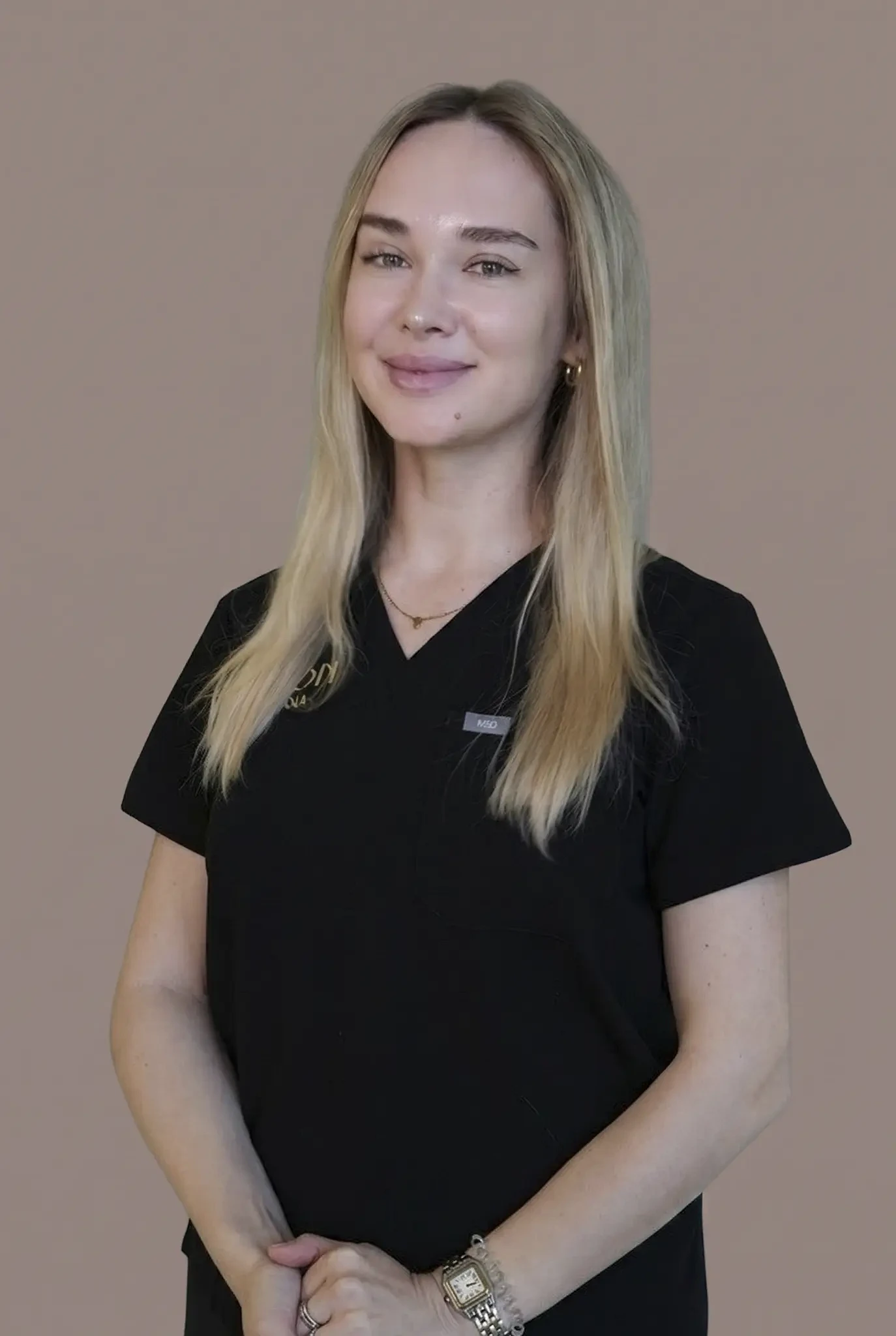
Orthodontist, 13 years of clinical experience, over 1,000 successful orthodontic cases
Profile video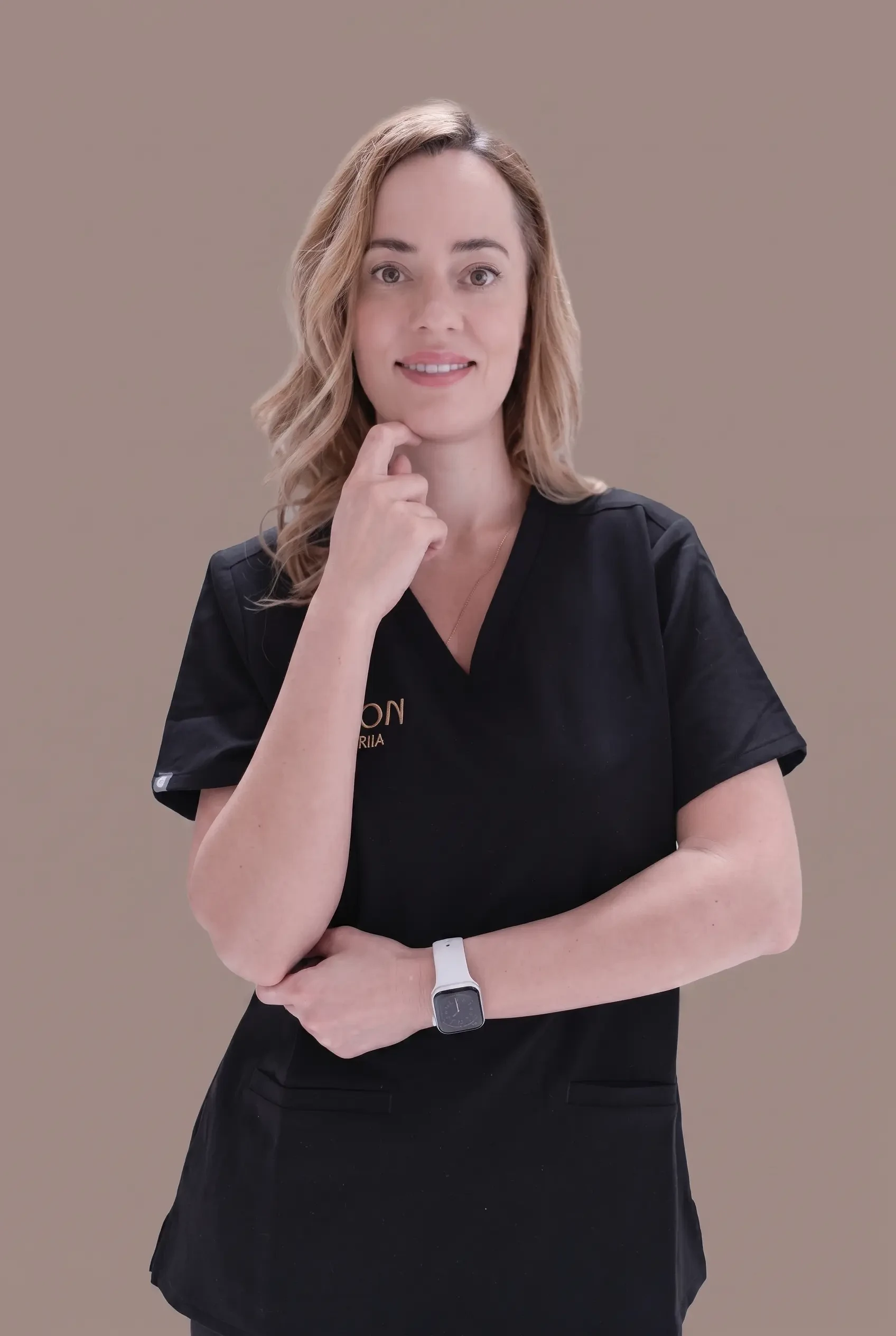
Orthodontist with 15 years of clinical experience, MDS degree holder. Over 2,000 patients — from children to adults.
Profile video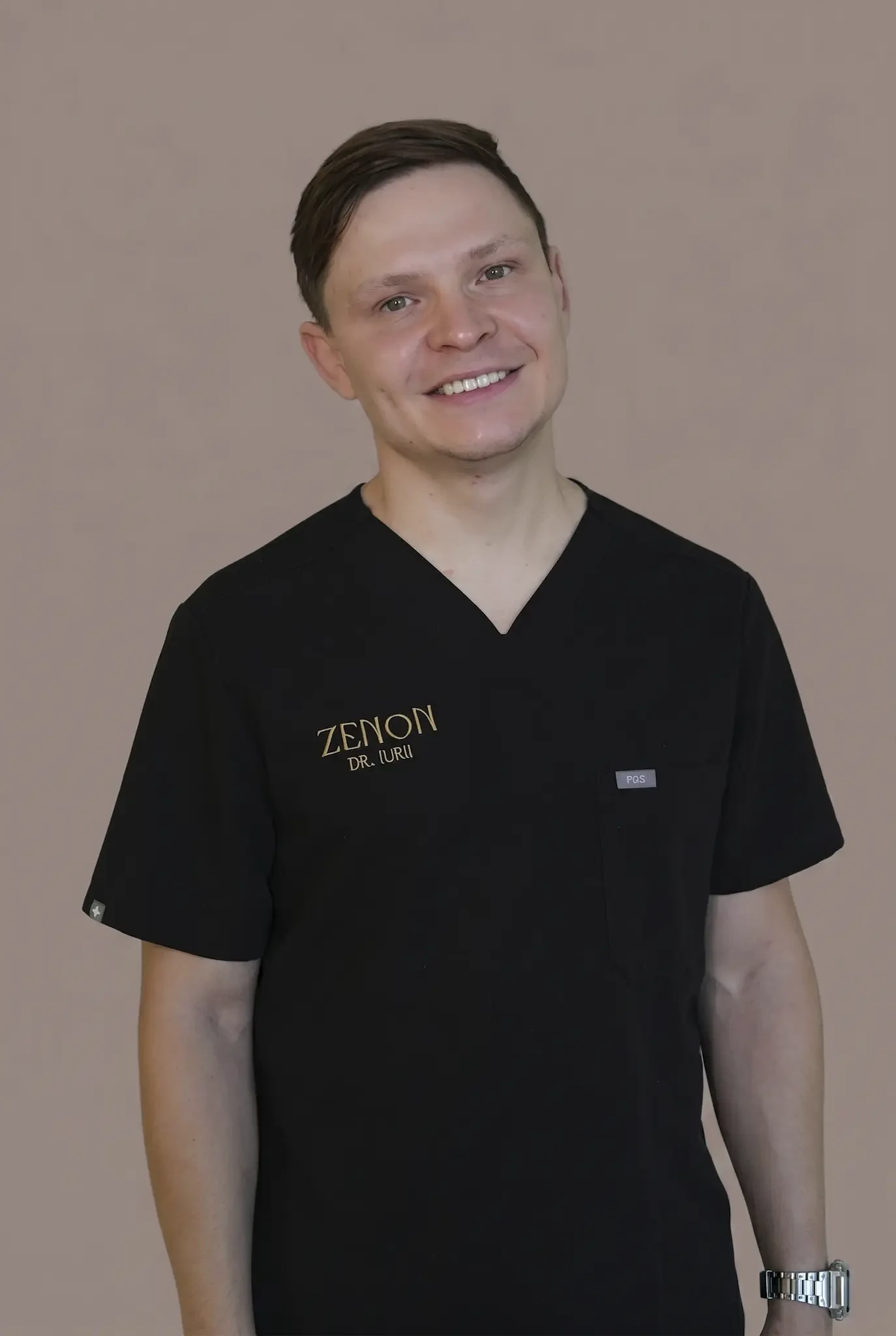
Endodontist with 9+ years of experience, specializing in root canal treatment, retreatment, and saving complex cases using a dental microscope.
Profile video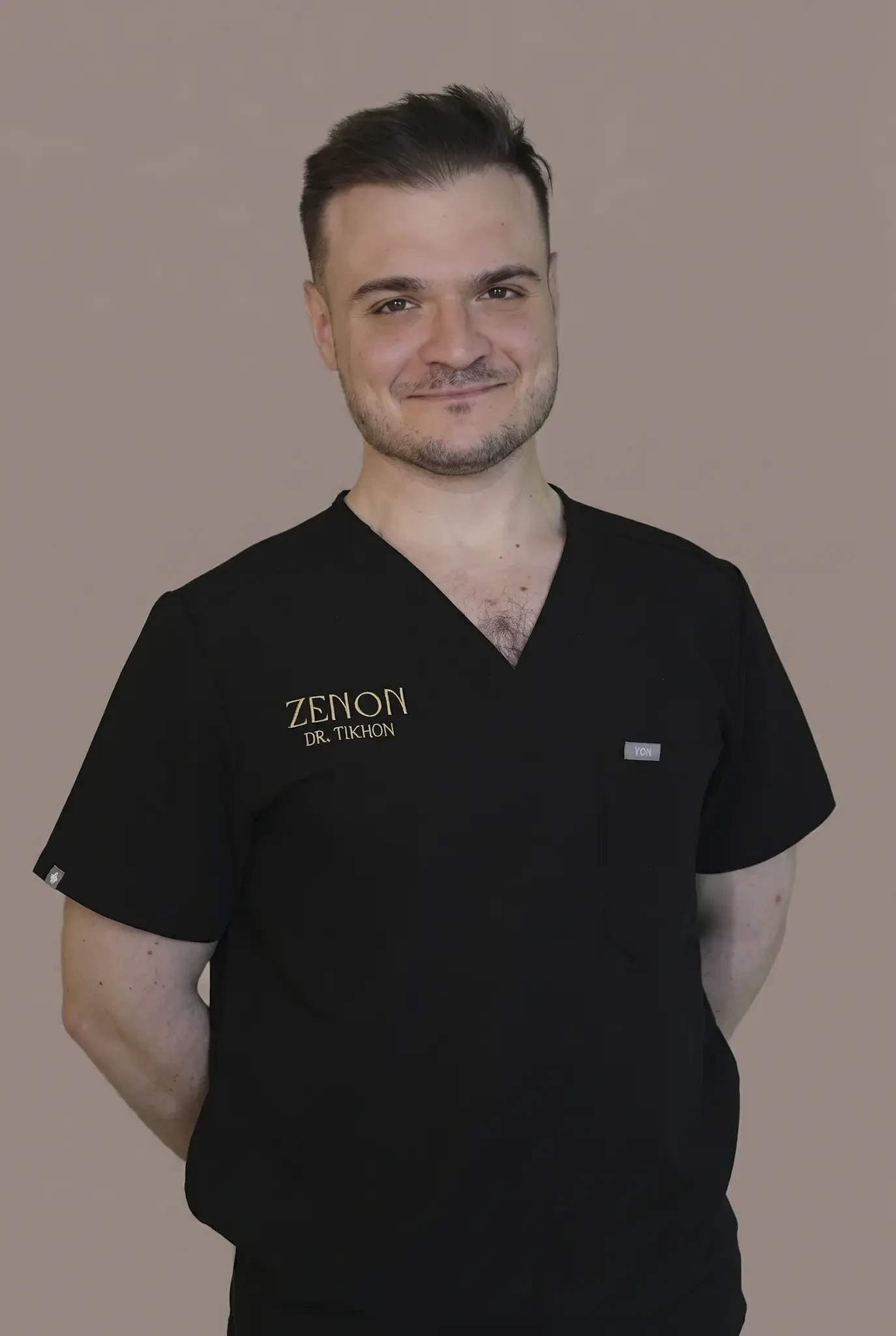
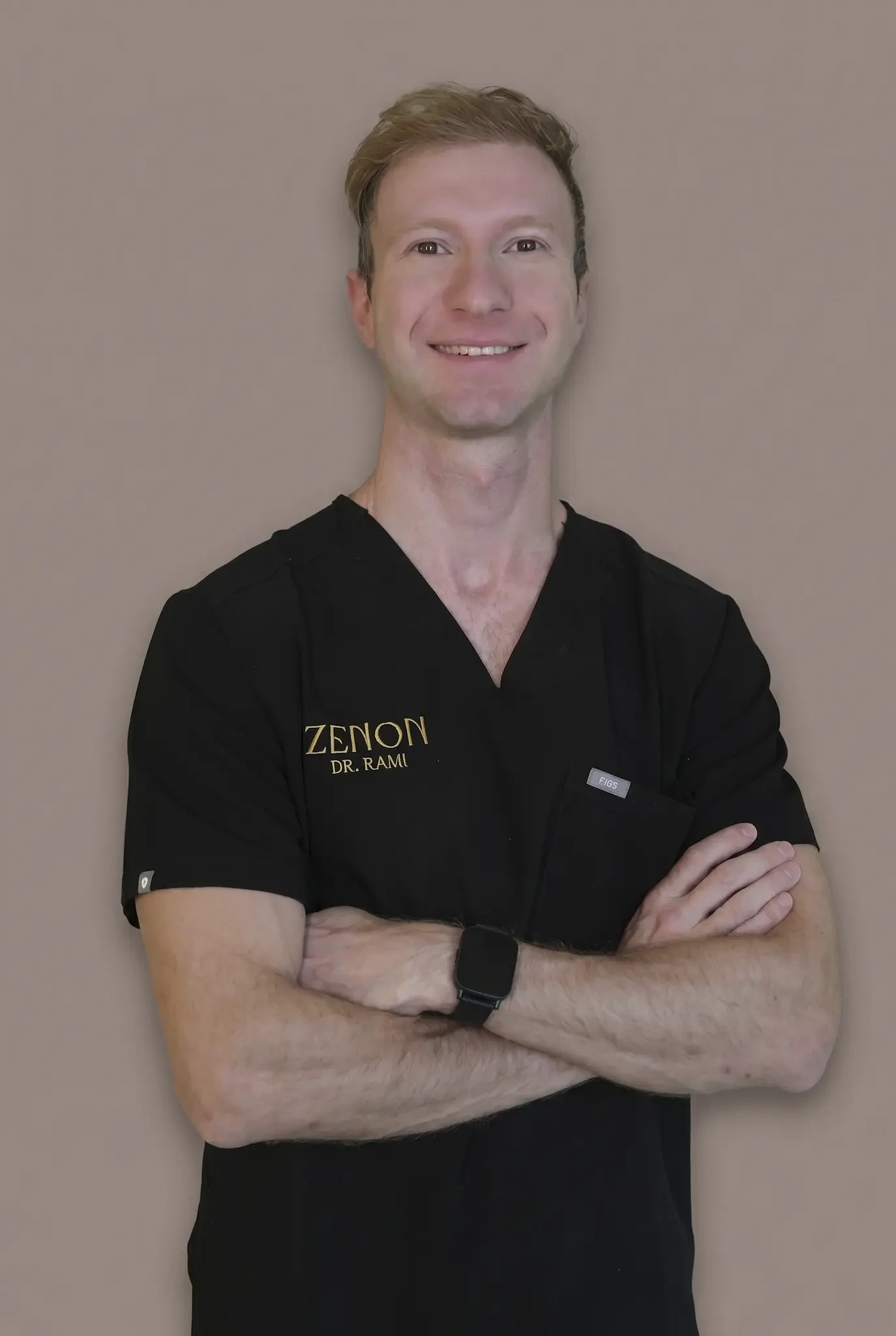
Oral surgeon with 8+ years of experience, specializing in implantology, complex extractions, and full-arch rehabilitation with a patient-focused approach.
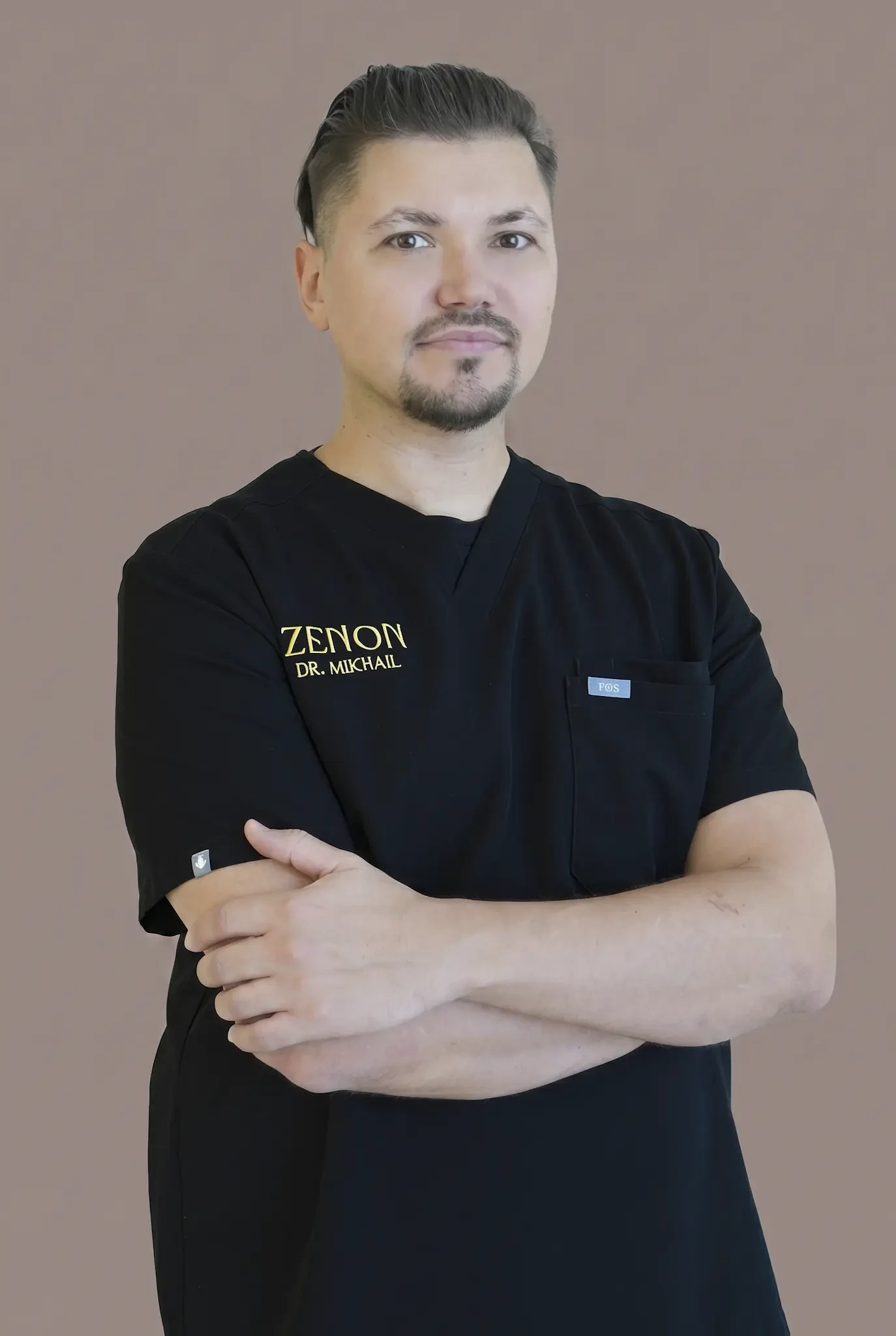
General dentist with 8+ years of experience, providing comprehensive care with a focus on comfort, precision, and long-term oral health.
Pediatric dentist, 12 years of clinical experience, gentle approach and conscious sedation for children
Profile video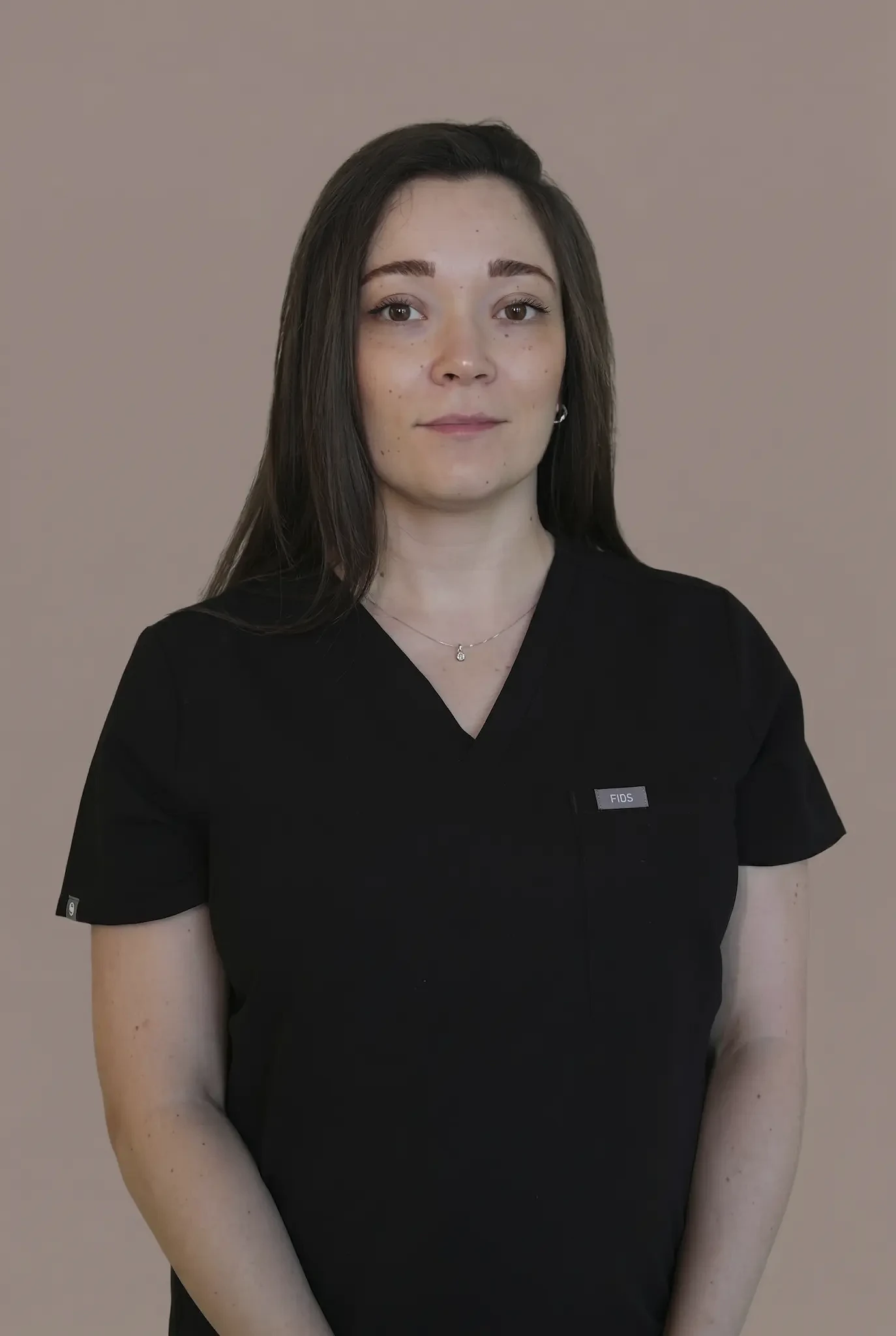
Dentist with 11 years of experience, specializing in tooth restoration, prosthetic dentistry, and comprehensive treatment
Profile videoAligners vs Braces – Comparison
| Braces | Aligners | |
|---|---|---|
| Appearance | Metal brackets may be visible. | Almost invisible – clear aligners. |
| Comfort | Some discomfort may occur after placement or activation. Brackets may irritate soft tissues. Generally more discomfort compared to aligners. | High comfort – smooth aligners do not irritate soft tissues and can be removed while eating. |
| Oral hygiene | More difficult due to fixed elements – requires special brushes and irrigators to clean hard-to-reach areas. | Similar to regular hygiene – aligners are removed, teeth are cleaned normally, aligners are rinsed with water. |
| Diet | Hard, sticky, and chewy foods should be avoided as they may damage the system. | No dietary restrictions, but aligners should be removed while eating. |
| Treatment control | You need to monitor that brackets do not detach and wear elastics as prescribed. | Requires discipline – aligners must be worn 20–22 hours per day. |
| Effectiveness | Suitable for all types of cases. | Also suitable for a wide range of cases. |
| Clinic visits | Every 4–6 weeks for adjustments. | Every 2 months or less frequently for monitoring. |

Oral Care with Braces During Treatment
1. After every meal (even snacks)
Brush your teeth with a soft toothbrush and use interdental brushes around each bracket. Use an irrigator to remove food debris — it takes 2–3 minutes but effectively cleans the system.
2. Every evening
- Use dental floss (preferably super floss or floss with a rigid end) to clean under the archwire and between teeth.
- Rinse with mouthwash (your doctor will recommend the best option).
3. Professional cleaning
Visit the clinic every 3–6 months for professional cleaning — doctors remove tartar, polish teeth, and check hygiene.
What to avoid or limit
Sugary drinks, juices, energy drinks — plaque and caries develop much faster, especially around brackets.
Hard foods (nuts, crackers, tough meat, candies, whole apples) — may damage brackets or bend the archwire.
Frequently Asked Questions
How long do braces treatment usually take?
Can adults get braces?
Can children get braces?
Can I see the result before starting braces treatment?
Zenon Dental Clinic on the Map
We are always happy to welcome you!
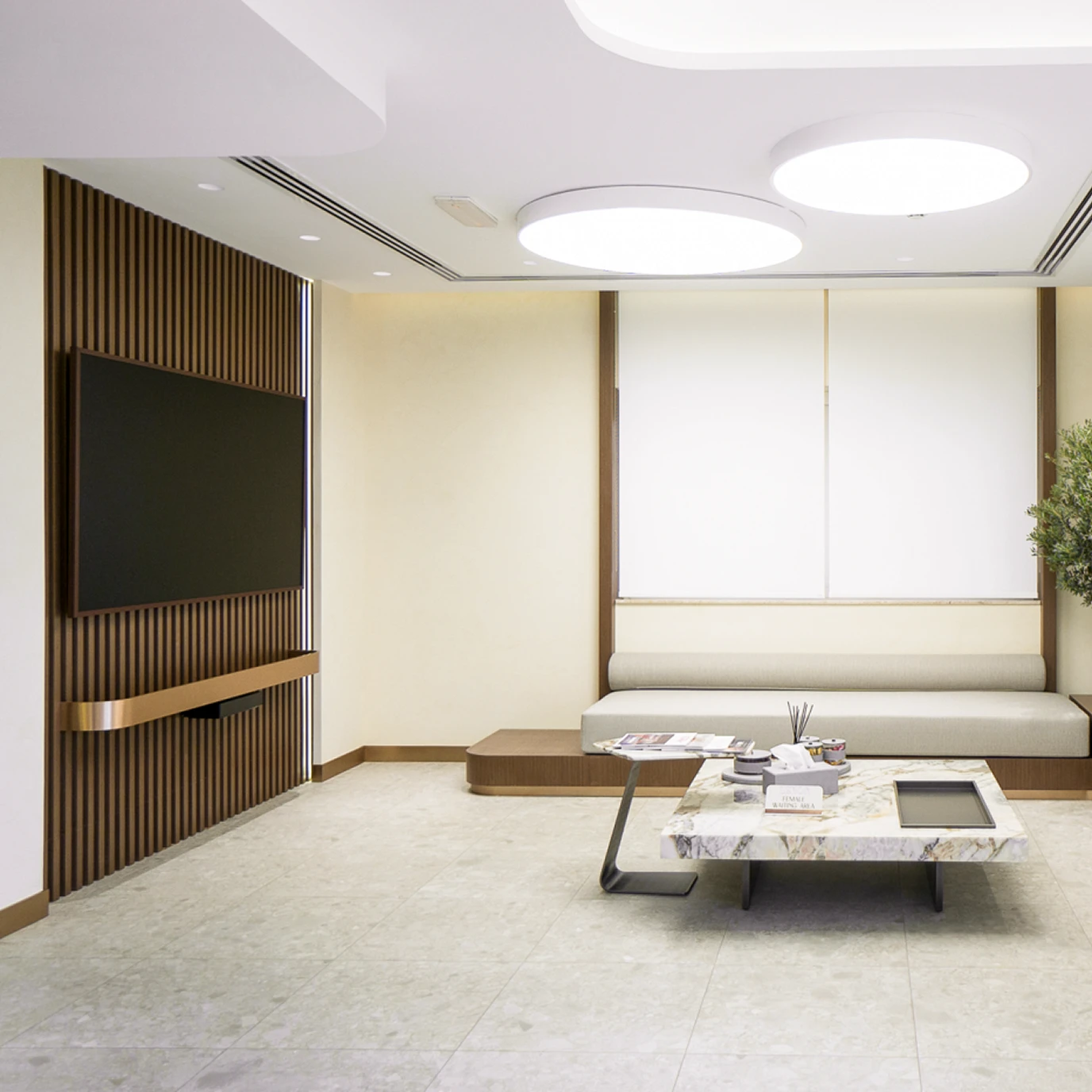
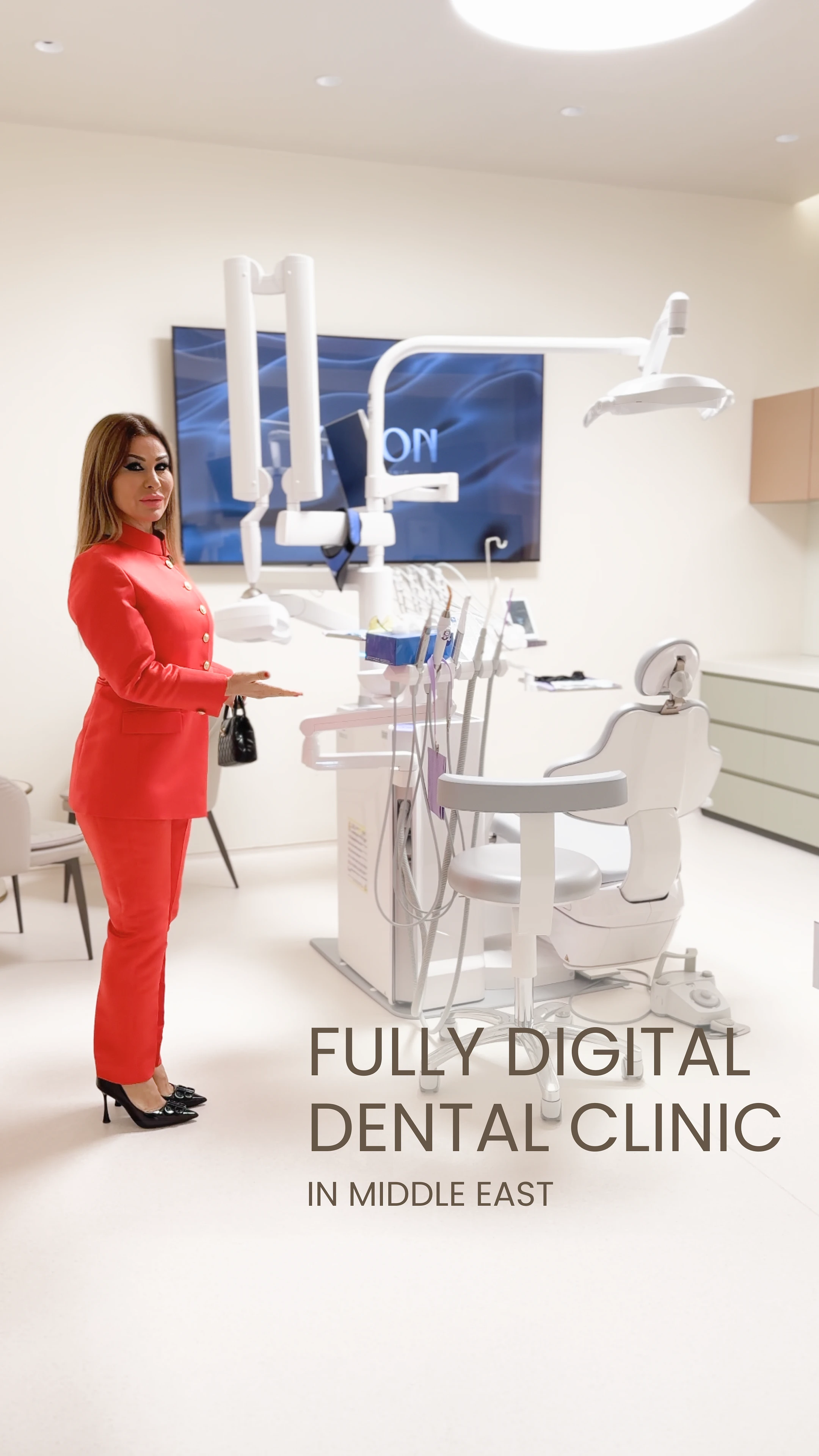
A calm, welcoming space where every detail is thoughtfully designed.
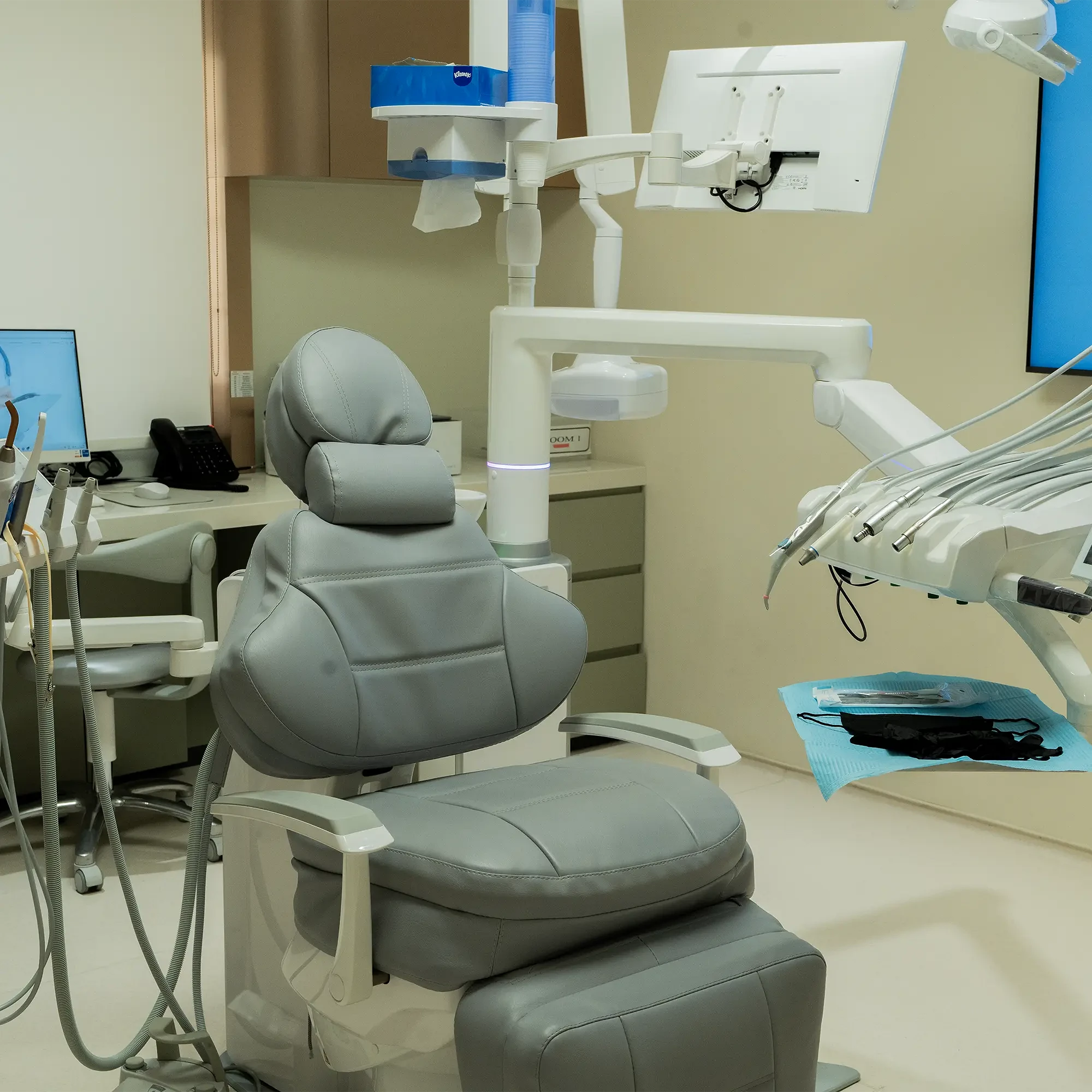
Equipped with the latest digital diagnostic and treatment technology.